Showing posts with label MRolla. Show all posts

Two-headed Yak Wins Kentucky Derby!

From Murilee Martin's Uber Gallery

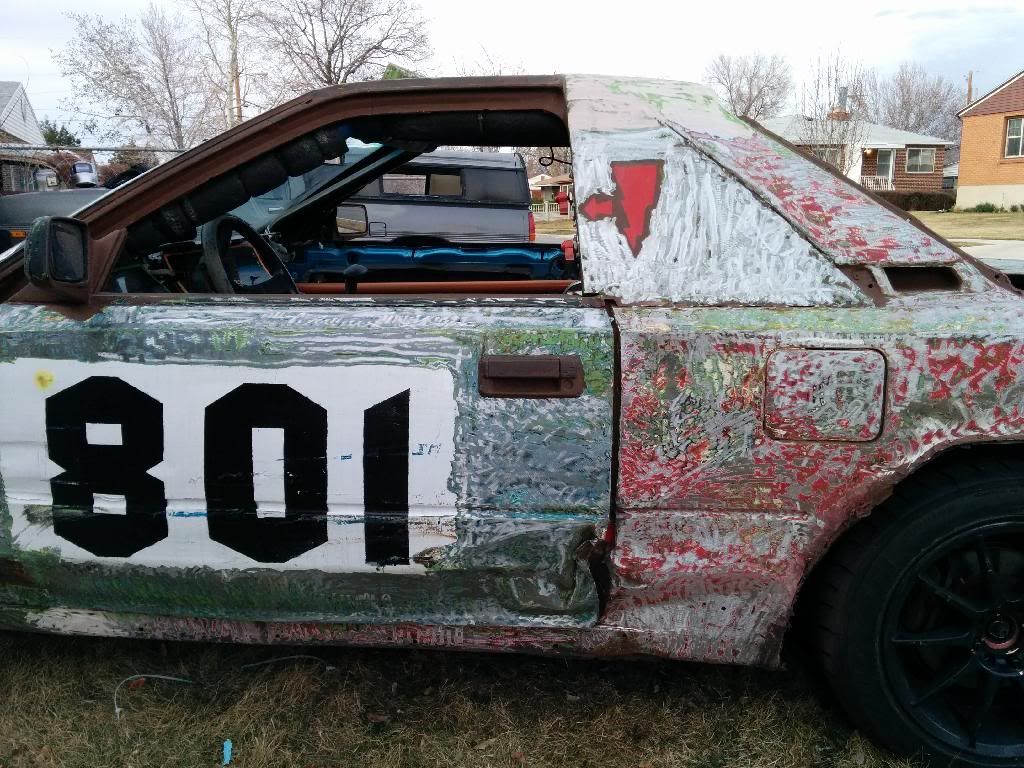
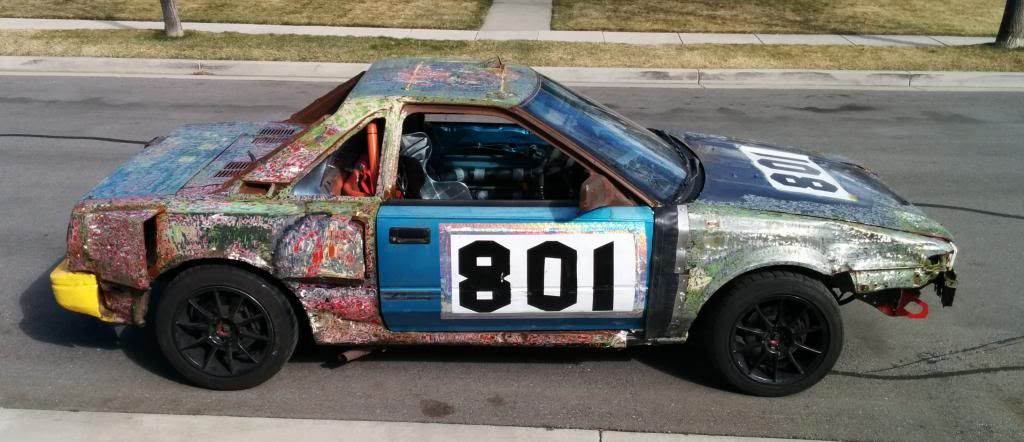
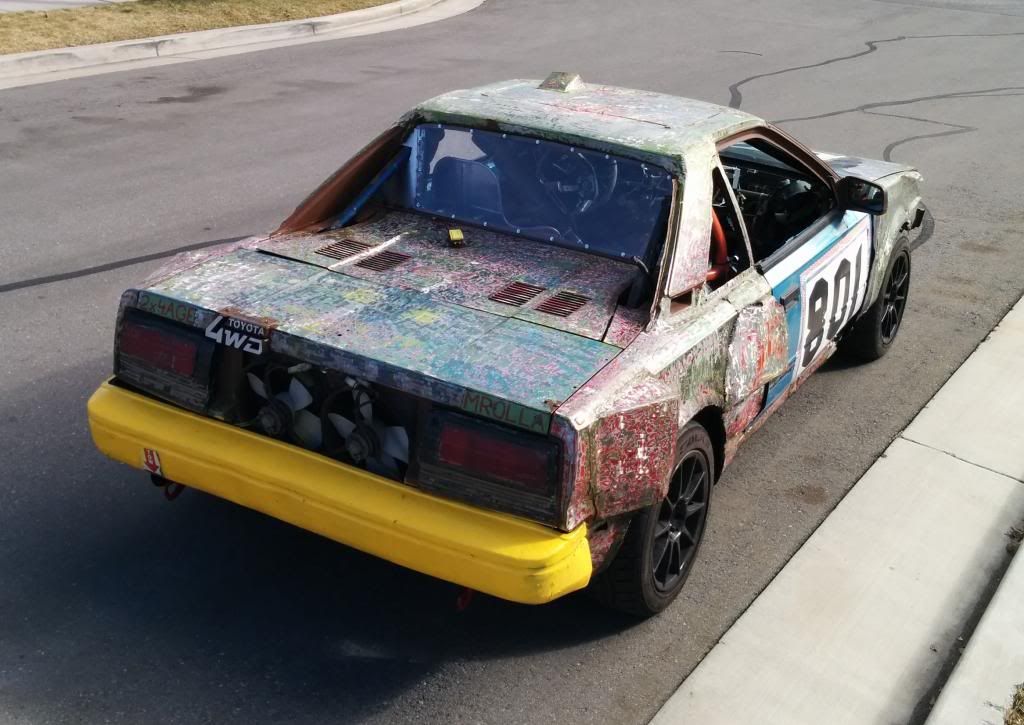
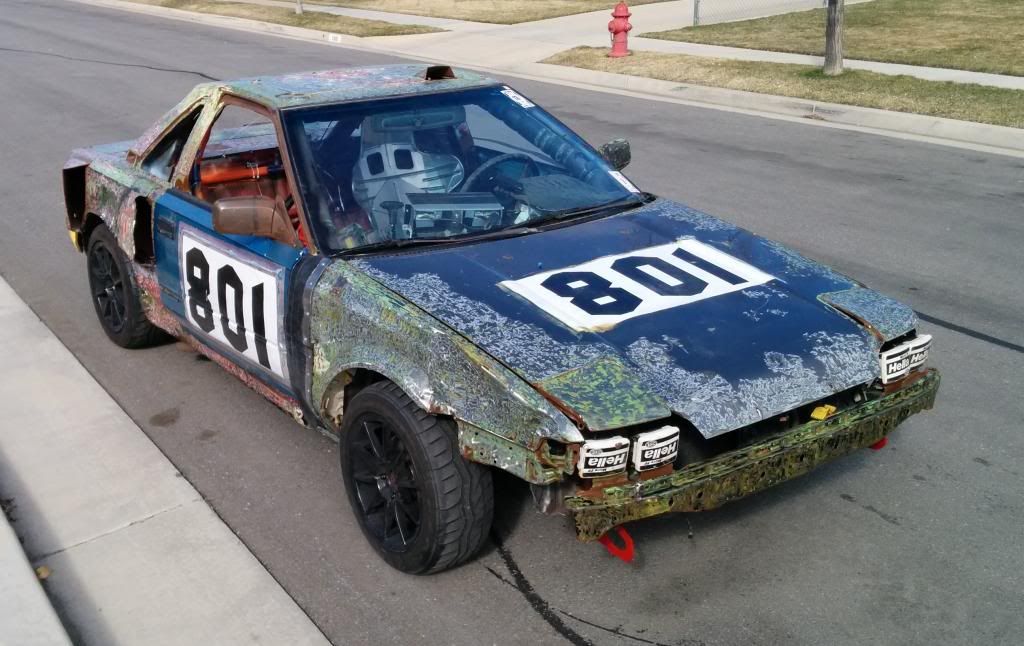
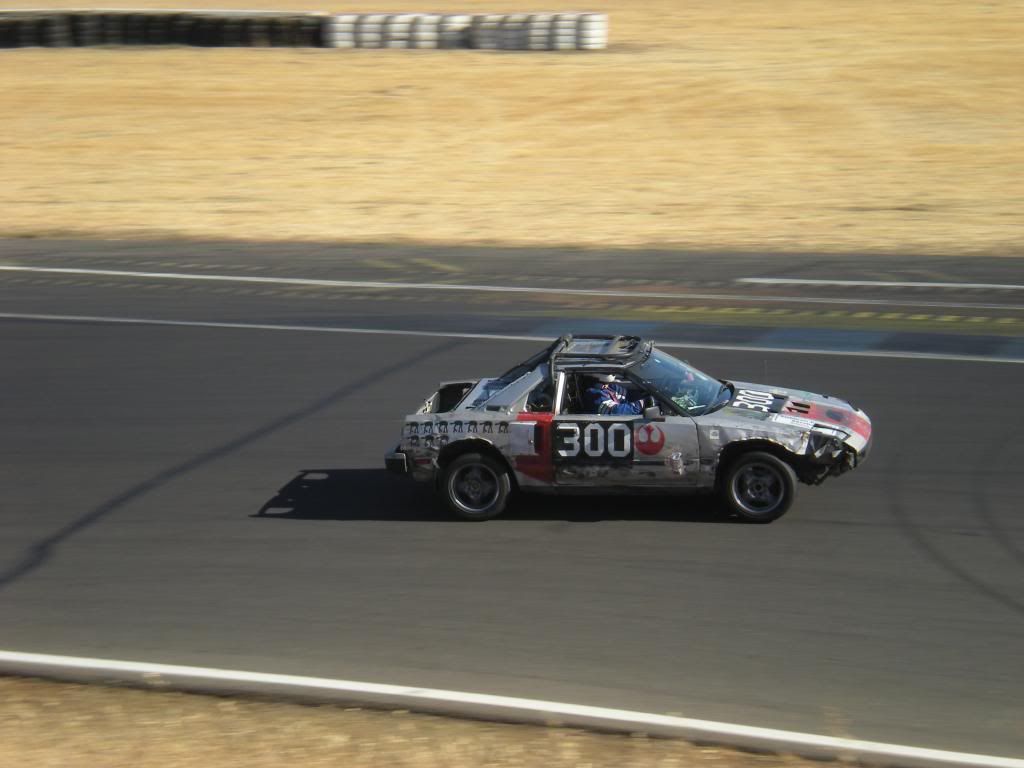
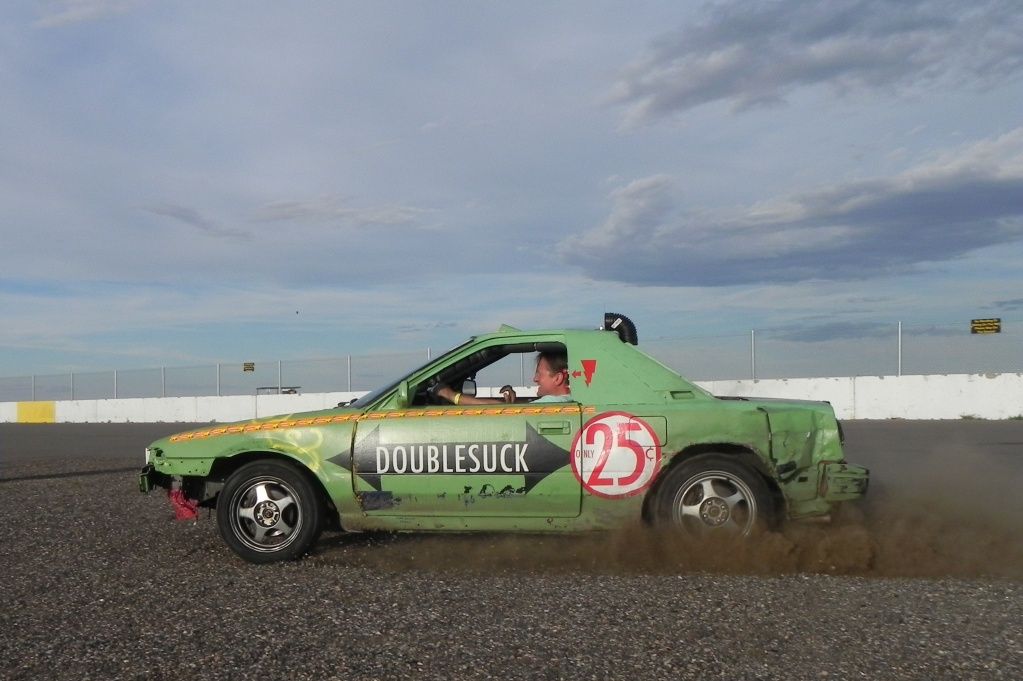
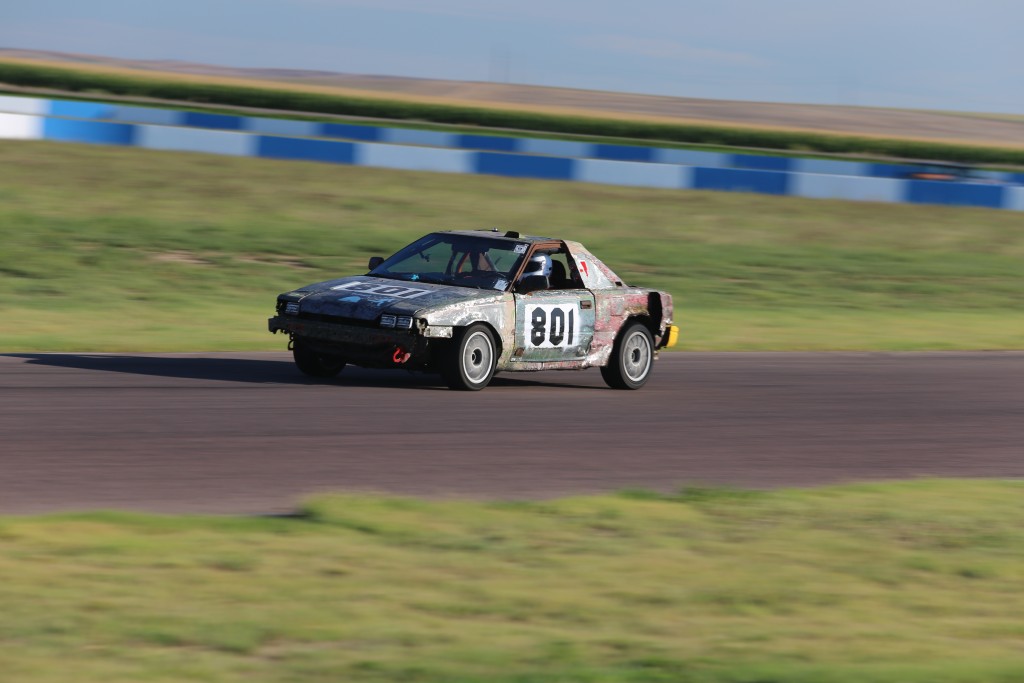
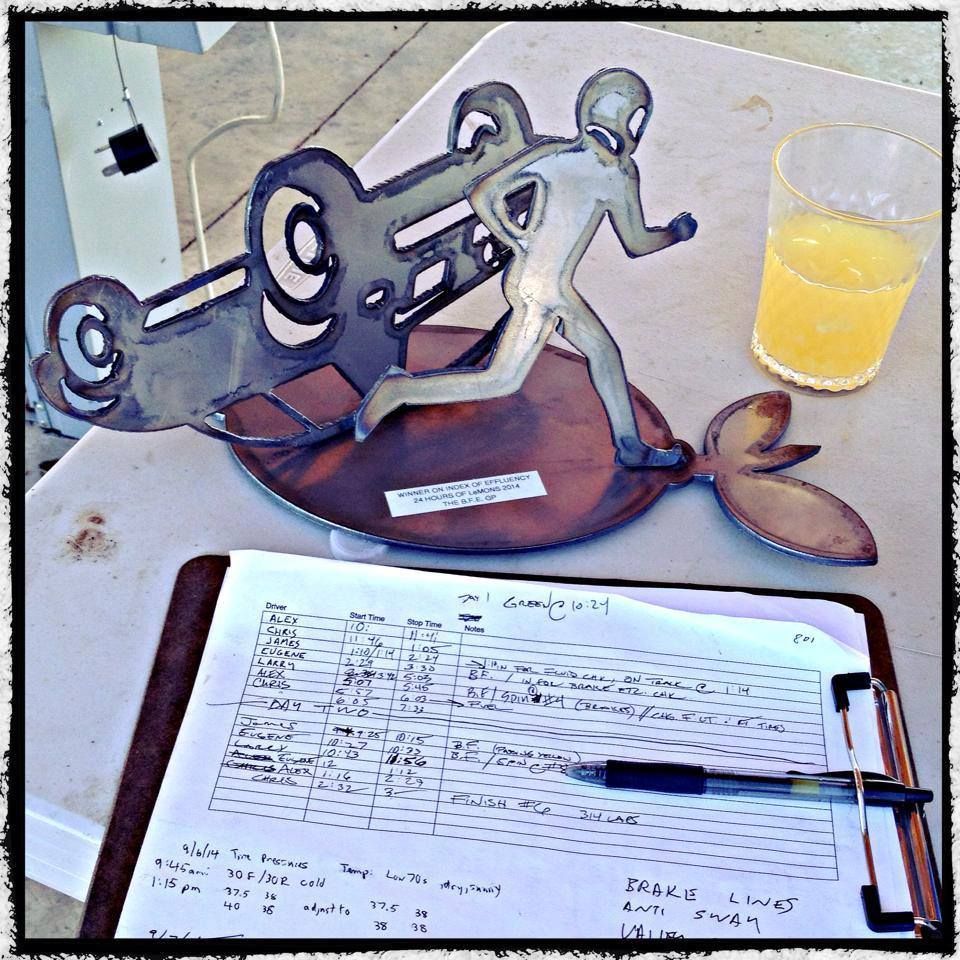
In fall 2014, the MRolla finished in sixth position at the 24 Hours Of Lemons BFE GP, and was awarded the series highest honor, the Index Of Effluency. Murilee Martin of Car And Driver described our sixth place (of 42 teams) finish as "an accomplishment akin to a two-headed yak winning the Kentucky Derby".

I asked each teammate to give me a quick response to a short Q/A about their experience with the MRolla and event:
  1. What is your background as a driver?
  2. What are you used to driving on the street and track?
  3. How did you decide to join this team for this race?
  4. What was your expectation of the MRolla before you drove it?
  5. What were your impression of driving the car?
  6. How did the event compare to other racing events you have participated in?
  7. Any other comments you'd like to share?
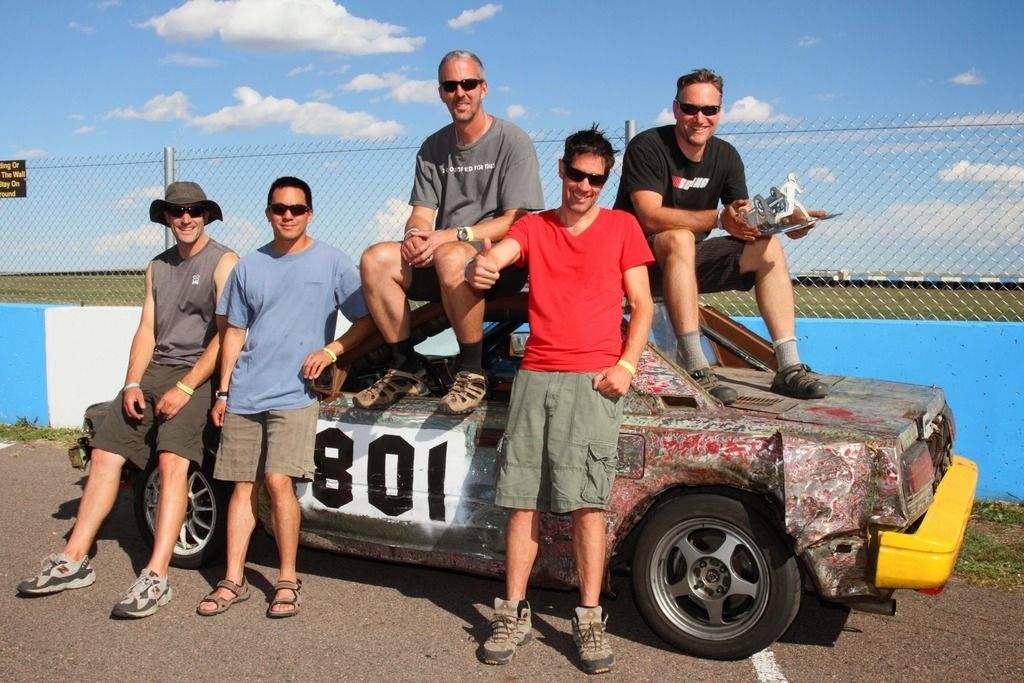
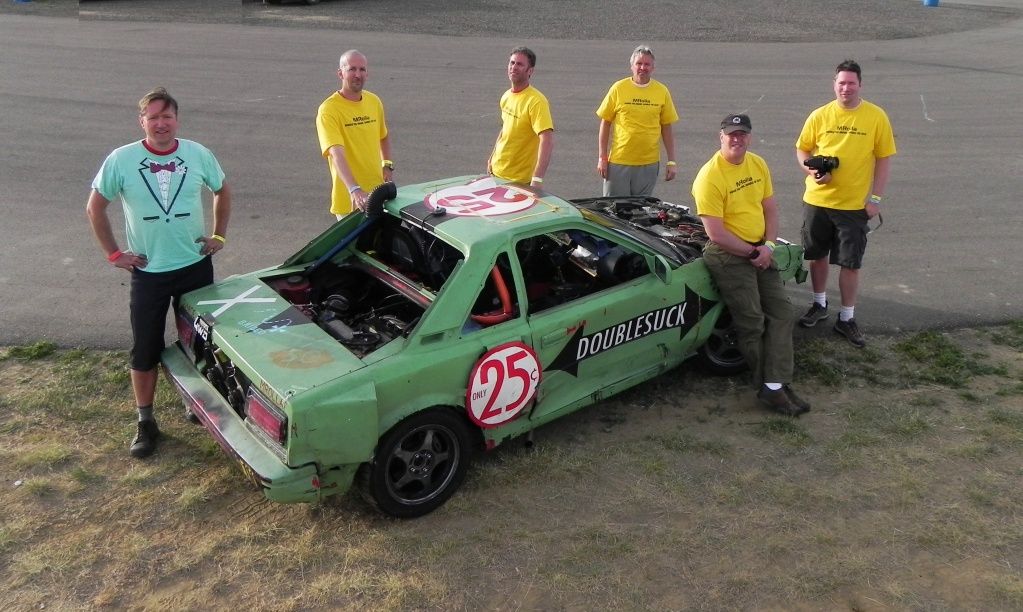
Alex McCulloch, Eugene Yen, James Pancoast, Chris Quintana, Larry Sanders

Here's the response I got from James Pancoast, who started racing with us a year previous, happens to be married to my sister, and is a constant wellspring of jovial wit:
  1. What are you used to driving on the street and track?
  2. On the street I've had a few sporty cars, a Countour and an STi. On the track I'm used to driving a Miata and some crapcan dual engined cars.

  3. That it would handle like shit. 
  4. I was pleasantly surprised at how it handled and how much sooner I could get on the gas than originally expected.
  5. I've only done Lemons races, so it's tough to compare. Denver is my home track so it's probably my favorite.
  6. Scott Ith isn't an IOE winner, like the rest of us are.
Alex McCulloch happens to be a pretty seasoned driver and is active in motor and aerial sports. He authors an action-packed blog and show up in magazines occasionally. This is his version of "breif" responses:
  1. My background as a driver is 6 years of performance driving, BMW CCA instructor,  NASA TT license holder, BMW Club Racing School, etc. I came up through the BMW club education. I’ve also done a fair amount of karting, including a few 24 hour races at Summit Point.  I would also say that flying, flight instructing and racing mountain bikes and hang gliders at a high level have also probably contributed in a good way.  I hope that doesn’t come across sounding like anything other than humble, because I am nothing but a work in progress :-)
  2. Other than student cars and my E30 BMW, the majority of my time has been in my M Coupe.  The M Coupe has benefitted my driving tremendously.  It has a lot of positive attributes, but it is not an easy car to drive near the limit.  It’ll bite if you don’t respect it.  One auto journalist said it was more like an 911 than 911.  It makes other cars a easier to drive.  It’s held me back in certain ways too.  It has a little bit of power to cover mistakes.  It also is not composed enough to all weight transfer quickly, like say an E36 M3.  It needs a beat pause and I will kill you with anything more than slightest breath of trail-braking.
  3. I was offered a position on the team.  I absolutely did not need to think about accepting it.
  4. I had no expectation of the MRolla before I drove it, but I did have some experience in a track prepped MR2.
  5. My impressions of the car where mostly positive.  It definitely had MR2 DNA that I was used to.  I thought the weight up front and FWD improved the turn-in compared to the other MR2 I had driven.  I really enjoyed the complexity and extra power.  It reminded me a lot flying a twin-engined airplane. The areas of improvement that I think we all know would be better are brake pad compound and fuel consumption.  Overall I loved it!
  6. I had not heard good things about lemons from my NASA friends.  They complained about the heavy handed penalties and lack of “real racing”.  Those comments came from dudes with massive budgets, albeit respectable talent.  I took it with a grain of salt.  Having raced Chump, I realized these guys didn’t get what Lemons was about.  I thought it was a blast.  It reminded me a lot of a 24 hour mountain bike race.  I was annoyed with the heavy handedness of the some of the penalties, especially when both mine and Eugene's were the safest course of action, but I also get that no racing license is required for Lemons, so it comes with the territory.  Overall I had a blast and really enjoyed racing Lemons.  For our MR2, I think we are going to focus on World League so as not to be restricted from installing a few upgrades, but I still want to race it at Lemons, just with the penalties associated.
  7. I really enjoyed the race.  You ran a great team and really appreciated the love you put into the car.  Everyone on the team was super fun and really made the race great.  Thanks for the doing all the hard work to make it happen.
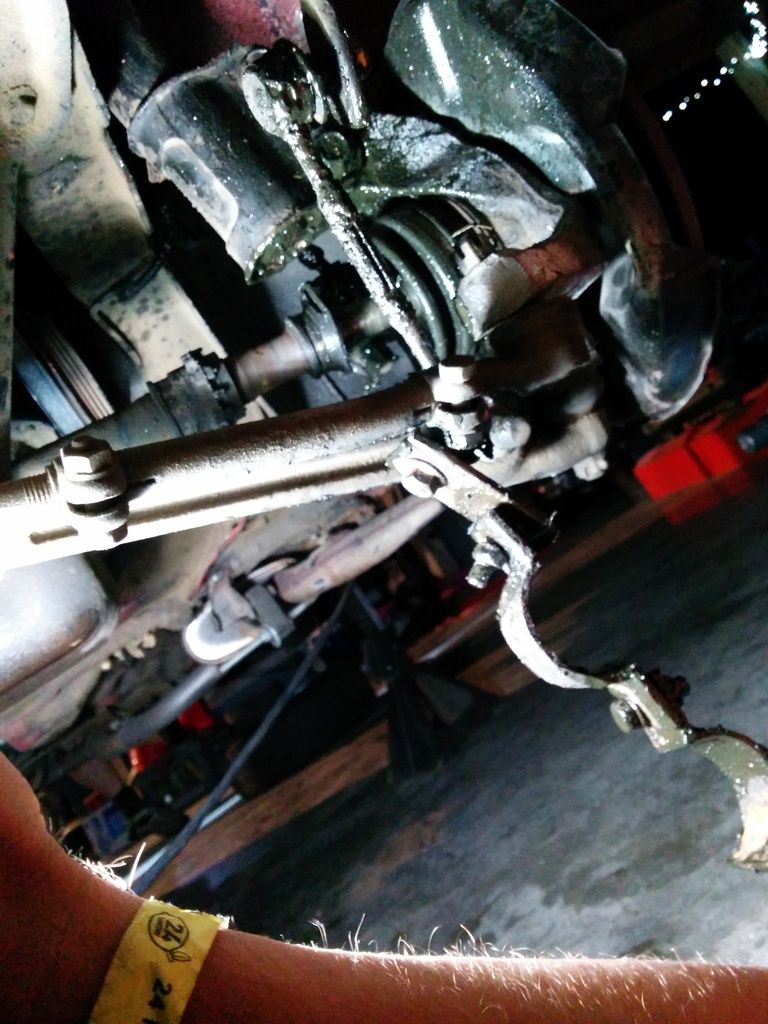
Snapped stabilizer linkage killed an axel boot.

2014 Season Grinds To A Start

The MRolla is "ready" for the first race of 2014. Engine compression is even and at tolerable levels. Alignment and brakes have been fussed over. New safety requirements have been met. Niceties have been added.
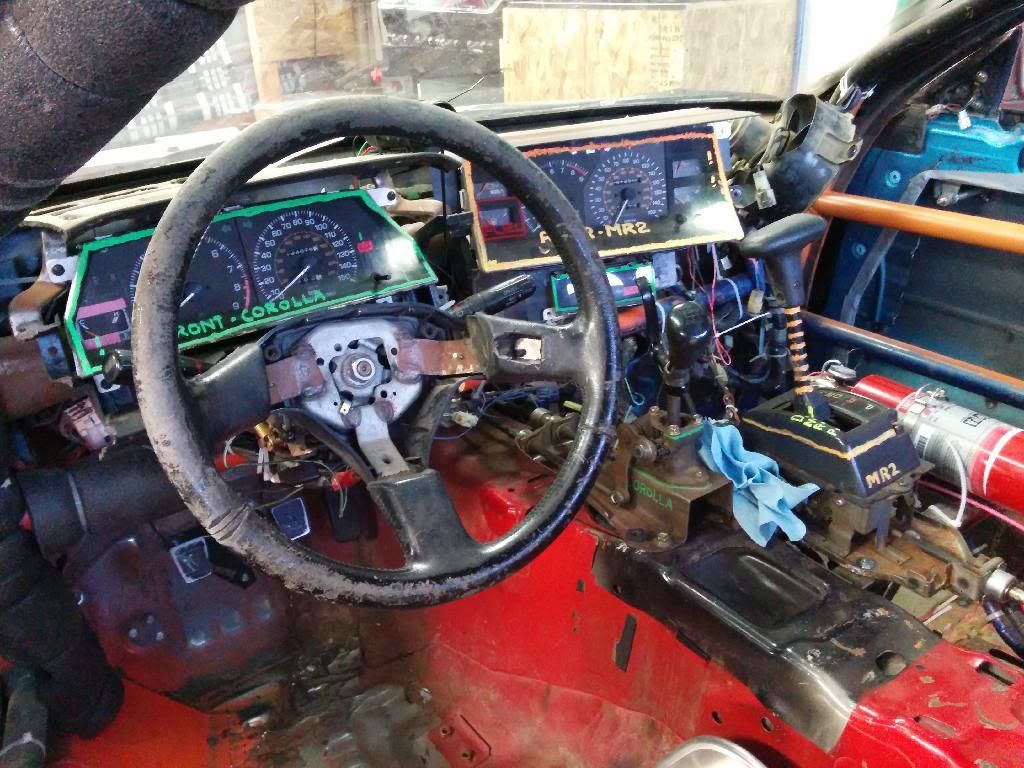
The new improved cockpit.

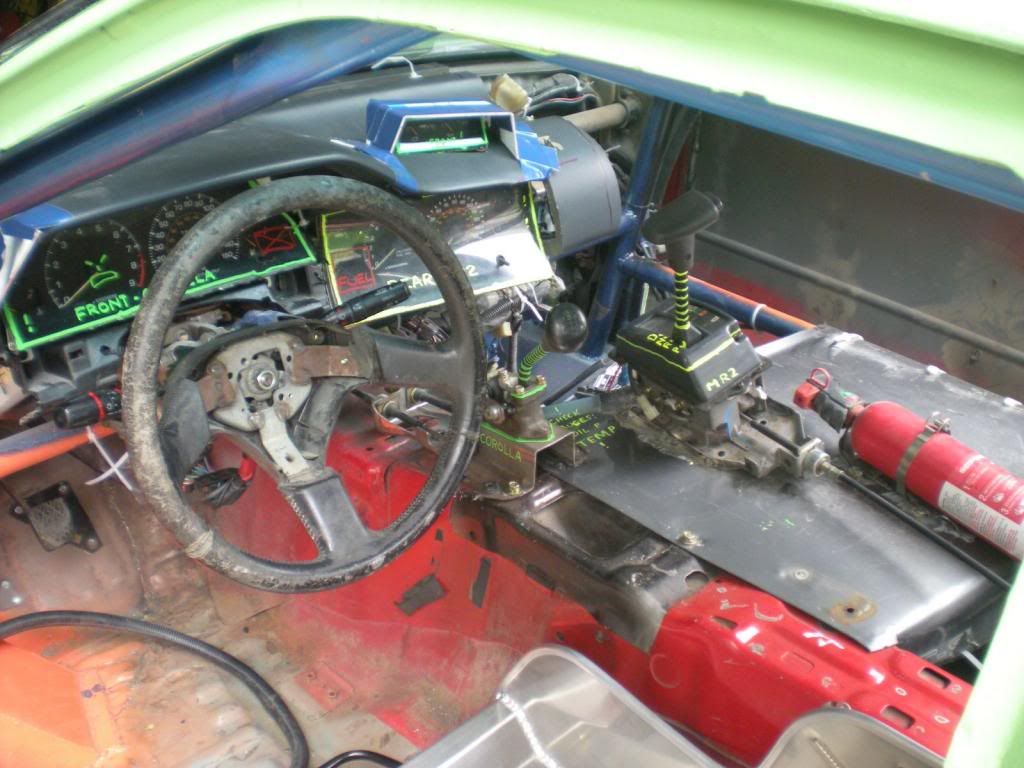
The original MRolla cockpit.
When we built our second twin-engine lemon, we applied much of what we had learned worked and didn't work in the MRolla. One result was a much nicer cockpit in the FX32. We went back to work on the MRolla updating the instrument layout, improving shifter and extinguisher mounting, and replacing the welded passenger door with a functional door.

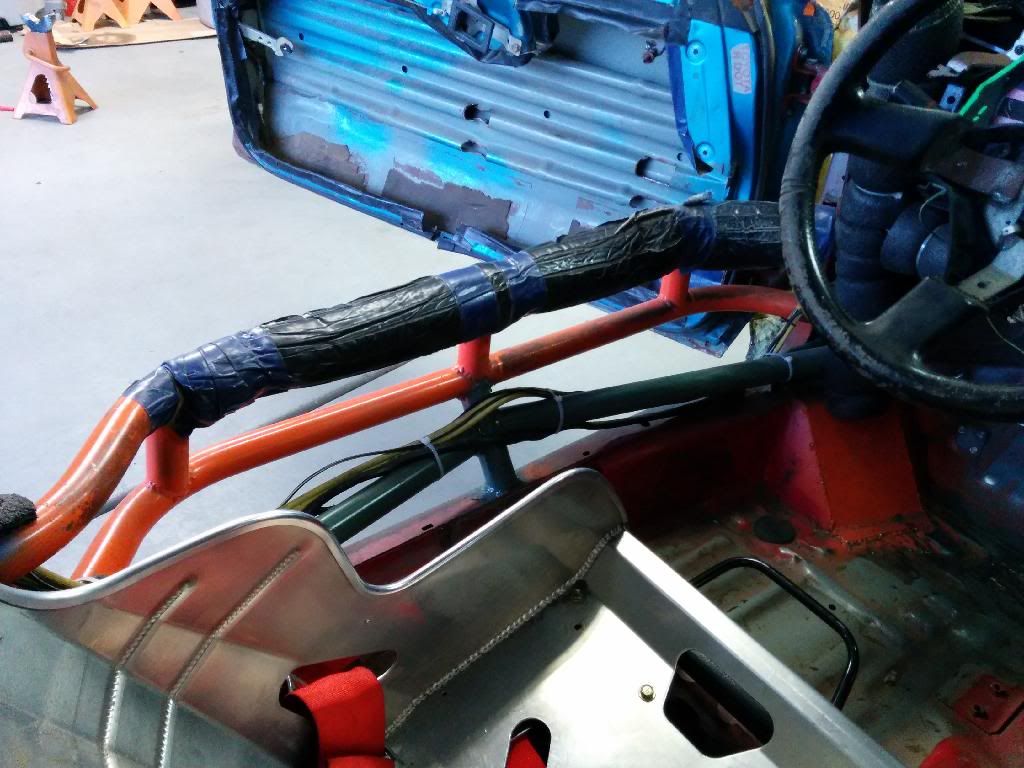
Our door bars did not meet a new safety specification. We added a third driver's door bar and a second passenger door bar.
Lower door bar added.

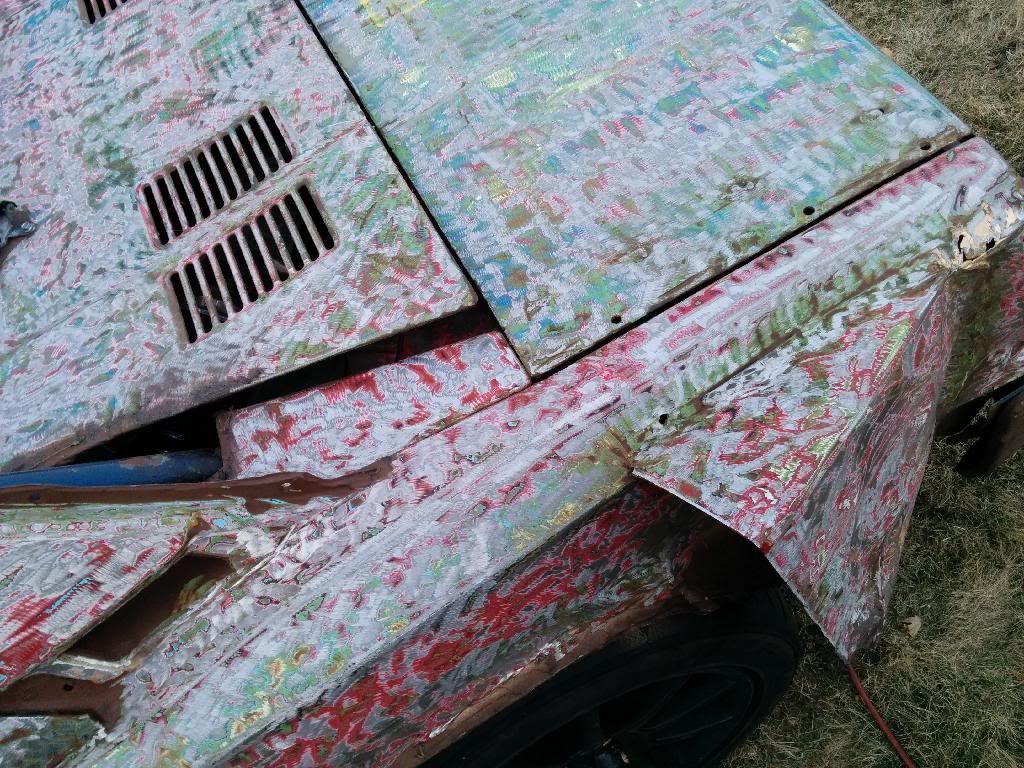
One of my favorite aspects of racing shitty cars is you can paint them however you want and as often as you want. The aesthetic of the previous theme's brown had dwindled before the latex interior house paint had dried. In a marathon of OCD fueled grinding, we stripped the car down to exposed layers of paint and bare metal, then clear coated it. The result is almost not horrible.

Archaeological.
We cut the number from the old door and tack welded it to the new.
A new rear window to meet new safety specs.
Most of the latex paint just pulled away from the AE92 hood's factory finish.
We added a new rear window, now a safety requirement to protect the driver from potential rear engine bay fires.

Also we welded on some feisty new tow hooks.

A the end of the last race the only issue we had was the rear end gauge cluster was dead. This turned out to be a blown fuse. The car was otherwise about race ready. Along with mild to unseasonably pleasant weather, this was a relatively low-pressure and enjoyable race prep.

So We Did This Race

OK, it's the new year and we're excited about the new racing season and new projects. Dusting off the blog I realize there's a bit of a back log of posts to work on, namely the September 2012, 24 Hours Of Lemons at Thunderhill.

Mostly I needed an excuse to post this photo.
We hadn't been to Thunderhill since 2010. Personally it's a favorite track where I've had a lot of seat time, and I usually have few driving errors there. I was looking forward to seeing the MRolla perform there with the long fast front straight and several other high speed sections.


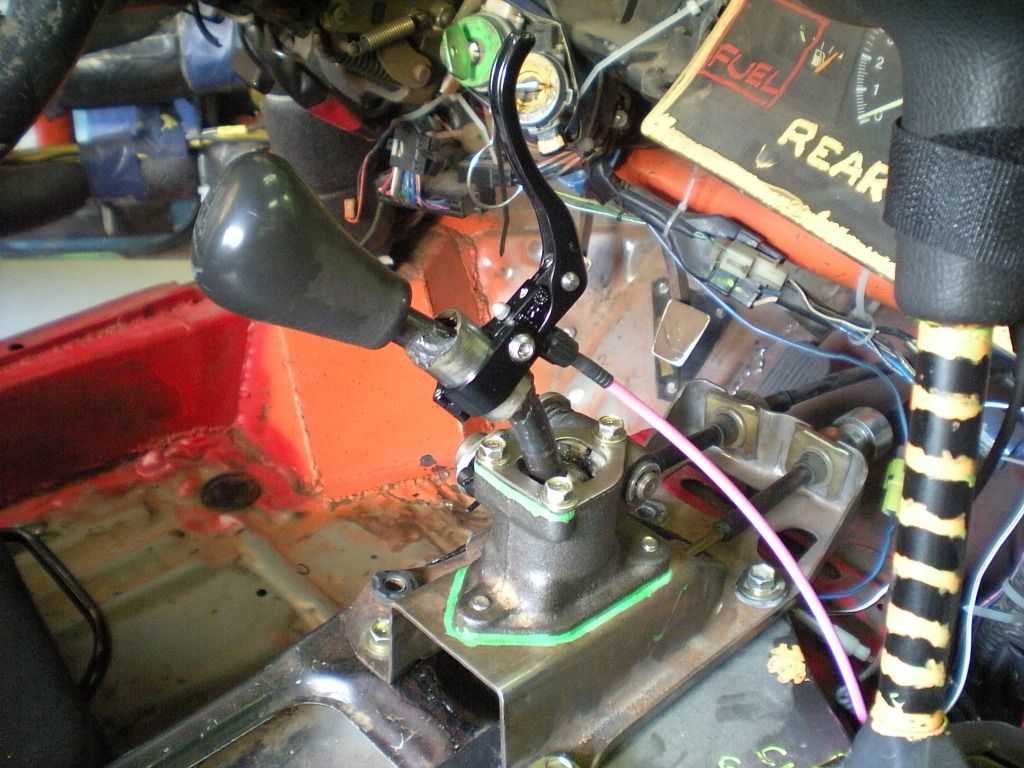
The only significant change to the car was the spiffy little kick-down lever we rigged up for the rear automatic transmission. Readers may recall that combined manual and automatic shifting dynamics are one of the more complex, interesting problems with the twin-engine MRolla. After too much thought and not enough testing we had settled on a static kick-down cable position that left us wanting more RPM on some steep track sections. For this race we rigged a simple bicycle brake lever mounted to the manual shift lever, and connected to the automatic kick-down cable, allowing us to grab another thousand RPM when we felt a little greedy. On track this worked great and gave us noticeably improved acceleration and climbing.

Unfortunately the rear engine was not up to the task of the additional RPMs. It puked oil and coolant from the seals and head gasket before the two hour mark. We opted to finish the day on the front engine only. We were out of any serious competition, but the car was handling great and front engine running like a top. At the end of day one we decided to just finish the race on one engine and start drinking rather than attempt any overnight mechanical heroics.

Image from www.murileemartin.com.

There were no other mechanical problems during the race and we placed a surprising 56 out of 166. I was impressed with how stable the MRolla was as a front wheel drive. I think much of the stability I had attributed to the all-wheel-drive is actually a characteristic of the nearly even weight distribution.

And Will did this. Image from murileemartin.com.

Oh yeah, and Joe/Bow/Randal ran the Snowspeeder. Finished 11th. Really it was the Snowspeeder's best finish ever, given the large, competitive field of cars. It placed 9th at ORP 2011, but that was against only 37 cars.


Miscellaneous Debris


Much going on lately. Here’s a run-down:

Joe, Bow, and Randall ran the Snowspeeder at the debut race of The Ridge. They had a blast, worked through a few issues, and placed 15 of 45.

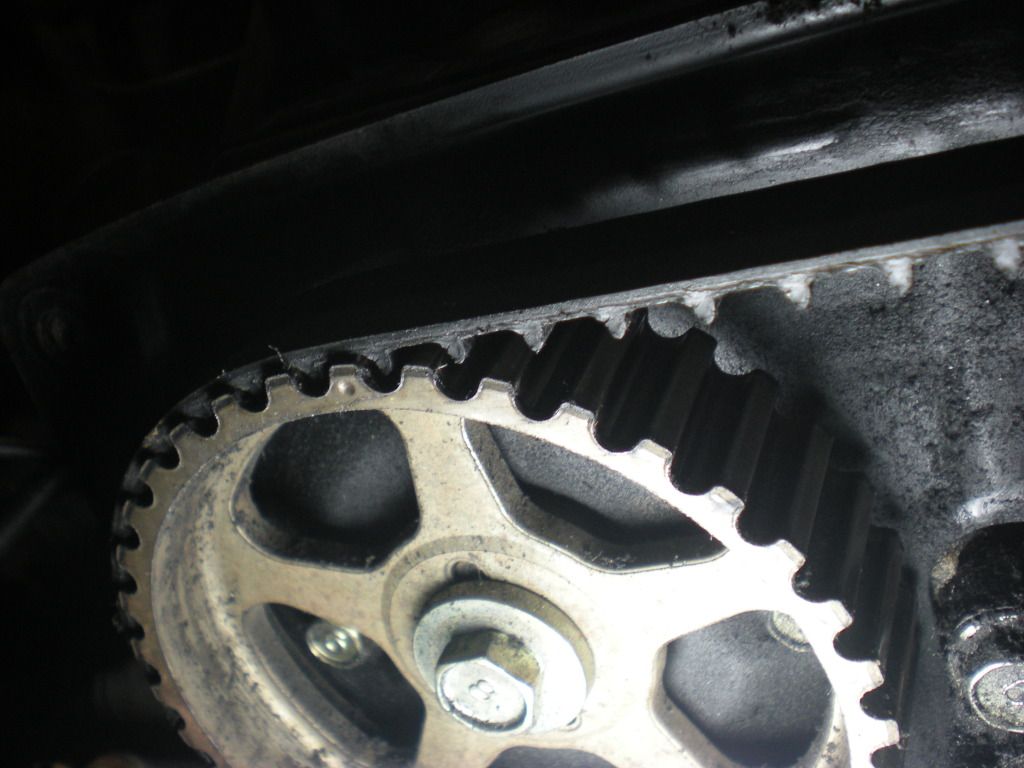
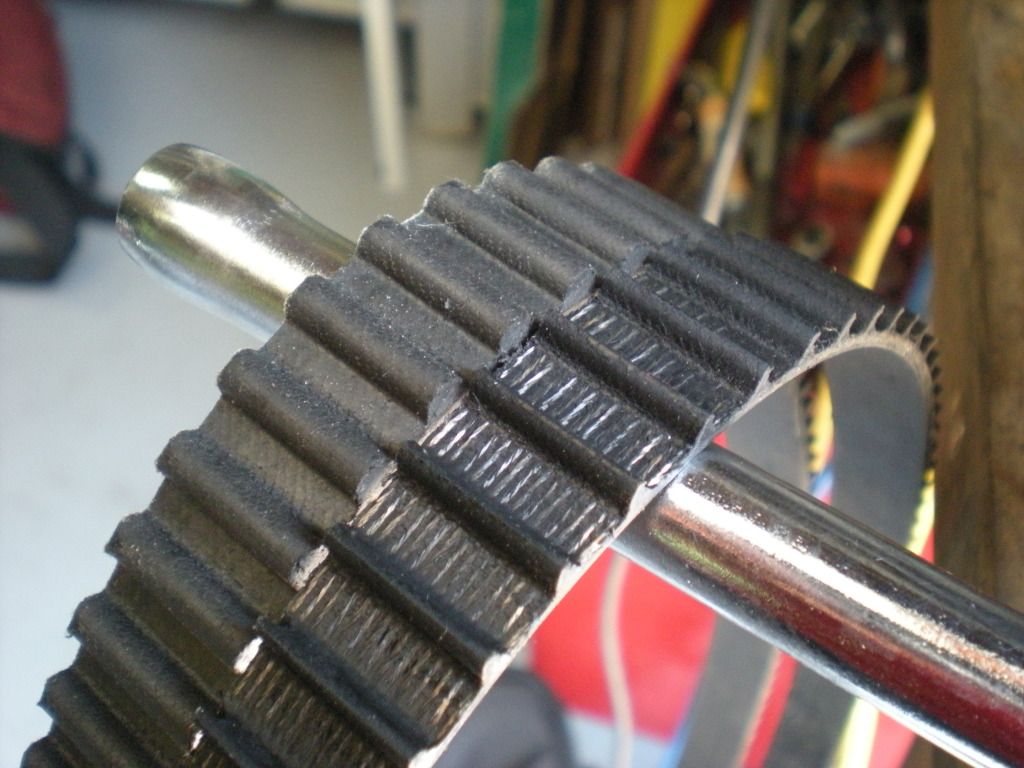
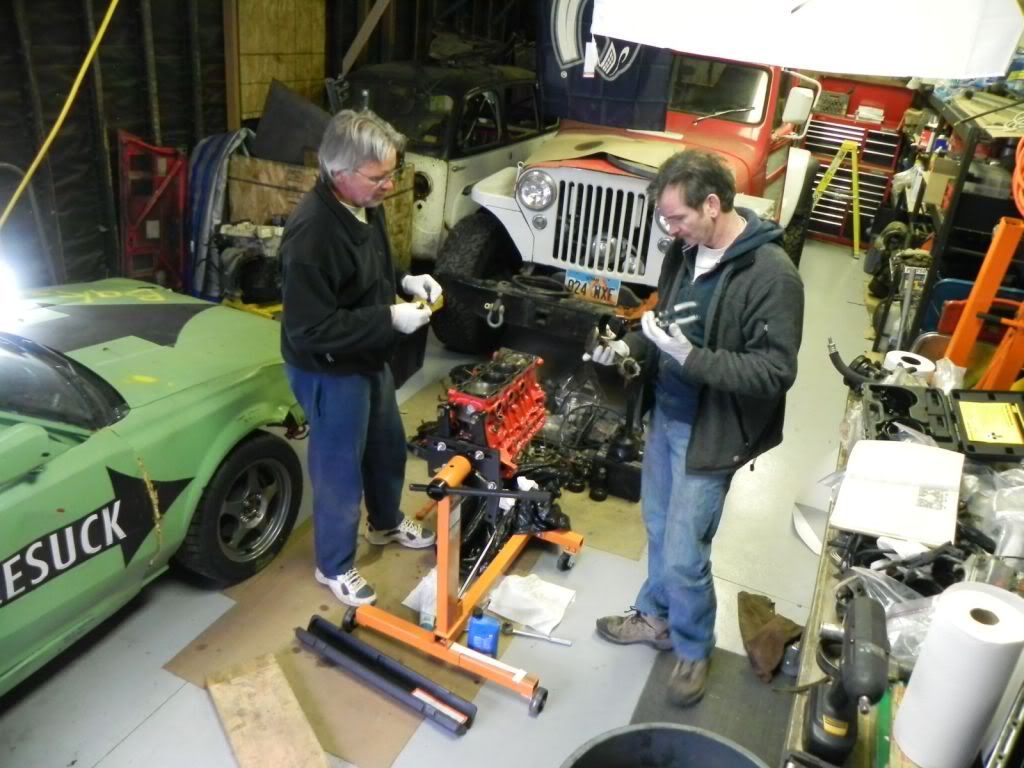
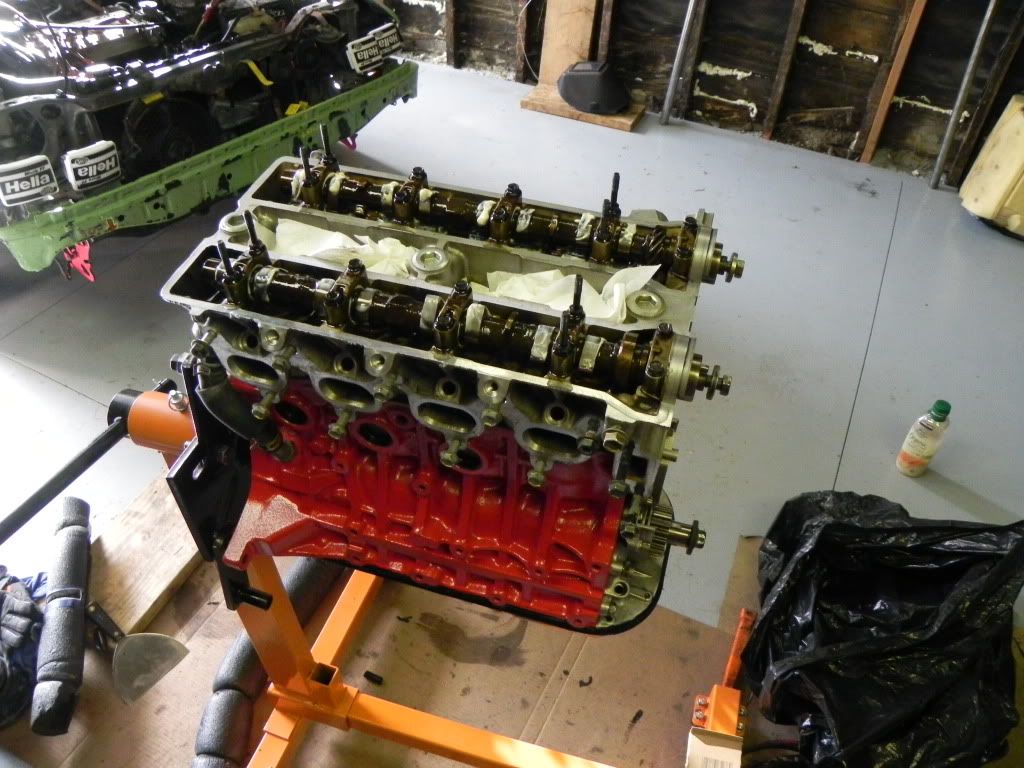
We’re prepping the MRolla for the September Thunderhill race. Other than checking compression and fluids, no maintenance, much less upgrades, have been done to the front engine. The water pump held on through the Denver race but was dribbling, so this weekend Paul and Will got to work on that. When they opened the covers they discovered that the timing belt was far gone. Very lucky this didn’t fail on track. I’ve never seen one so worn and still functioning.


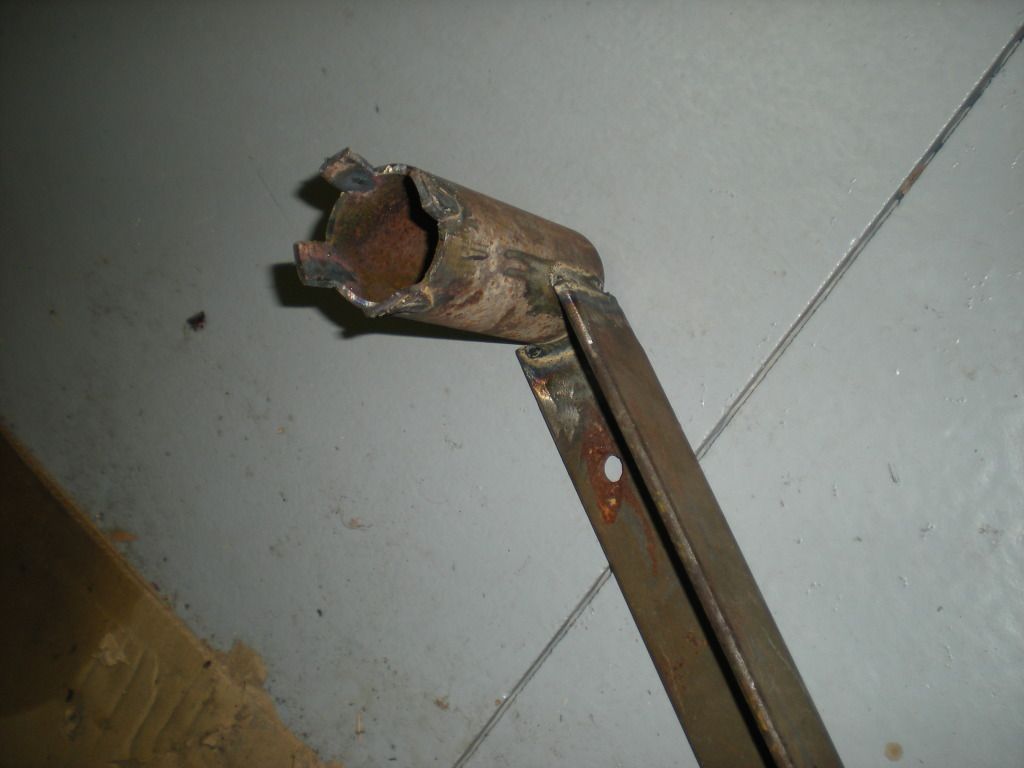
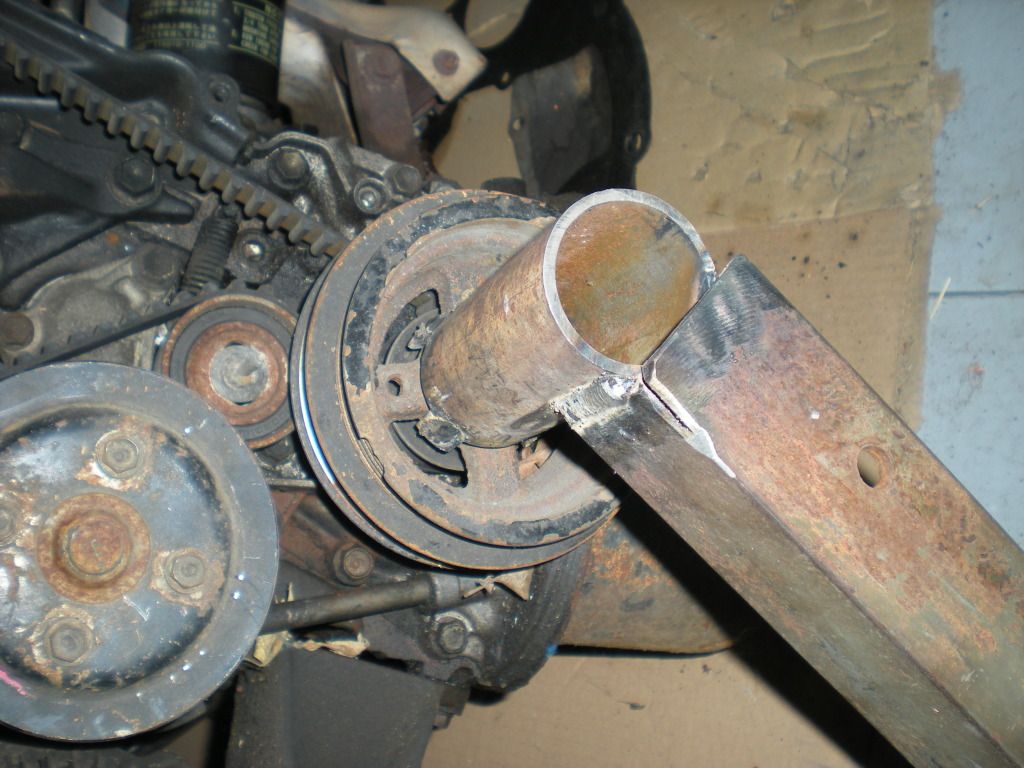
We often find ourselves struggling to get the main pulley nut off our 4AGE engines. This time we fabricated a tool allowing us to hold the pulley and still torque the nut off with a breaker. It was handy this weekend and should be in the future.


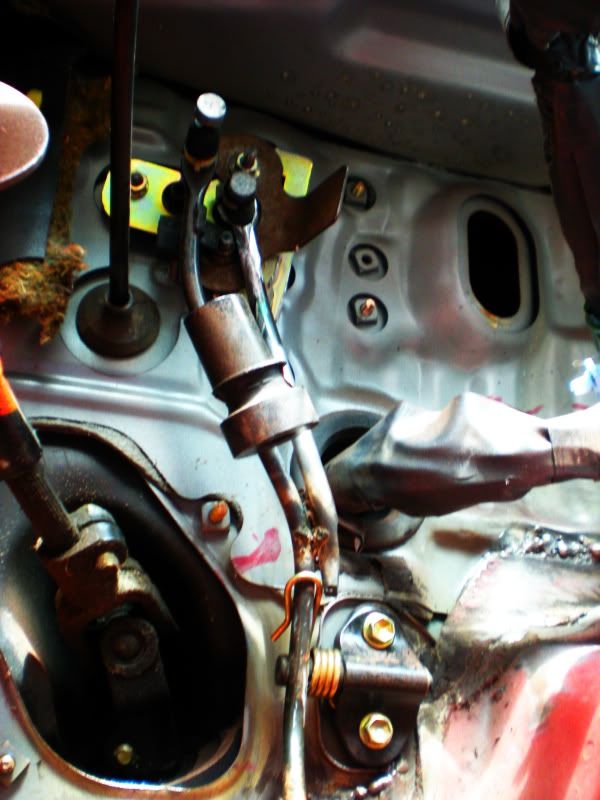
While Paul and Will did the water pump and timing belt, I started rigging a new manual kick-down control for the rear automatic transmission. I used a bike brake lever and cable, and shortened the shift lever in the process. What you see is the manual shift lever for the front engine’s manual transmission, that also has a grip lever that will control the shift RPM of the rear automatic transmission. It will shift at about 5300 RPM when the lever is released, and at about 6500 RPM when the lever is activated. It doesn’t sound like a lot, but we are optimistic this will improve our climbing and low speed corner exits significantly. Our secret (but published on our Farcebook page) weapon!

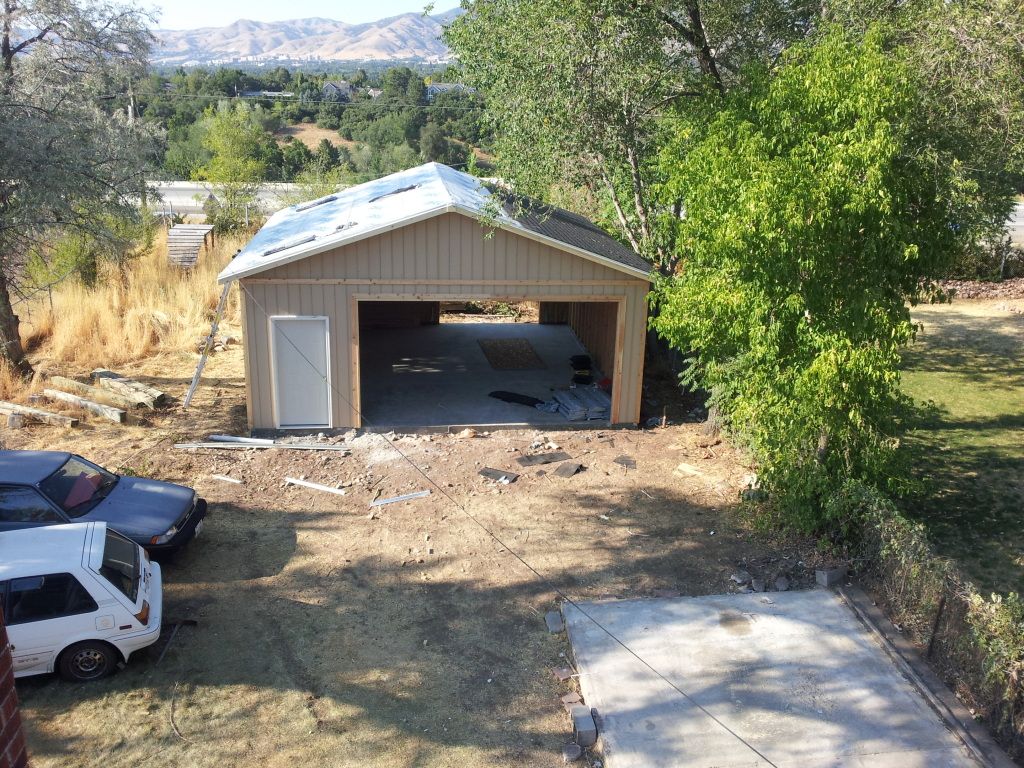
In non-racing news, I’m getting a new garage. In the last two weeks my old shack has been demolished and removed, concrete pumped, building and roof erected, and electrical installed. Some roofing, hanging the doors, and parking concrete will complete the project. This will allow me to house the “nice” car, as well as a project car, and a bunch of bikes. The additional concrete will be used for additional parking and parts car storage.

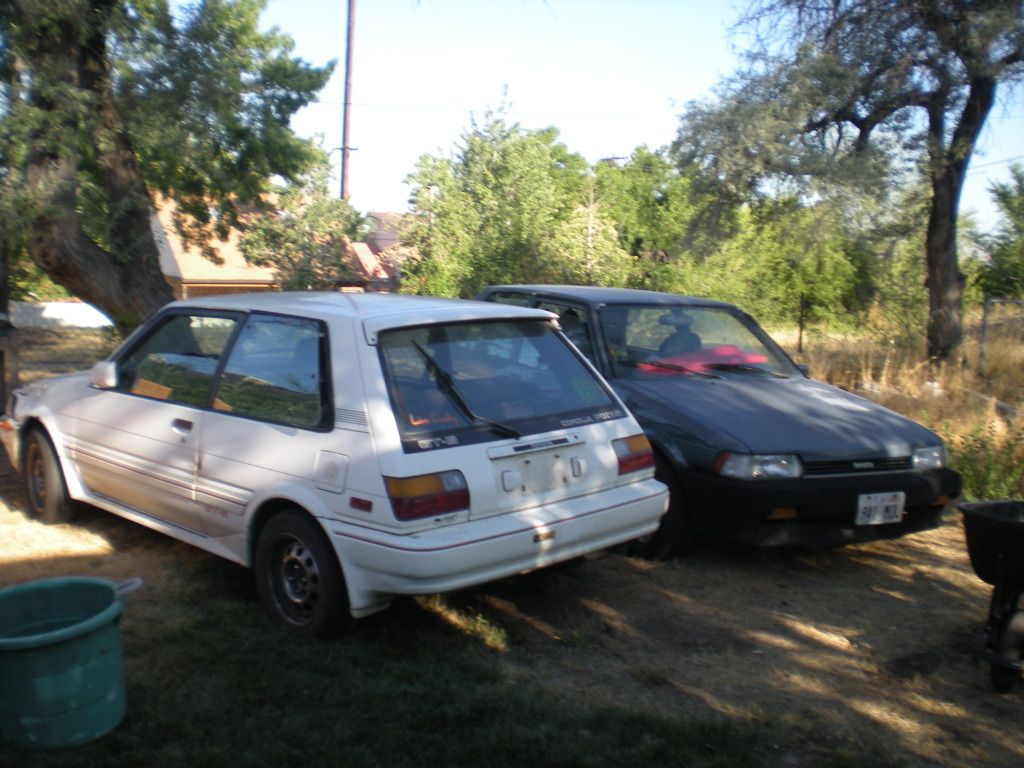
Knowing an increase in capacity is forthcoming, I have already obtained enough vehicles to surpass the additional space. I picked up a rusty but straight Corolla FX which is wimpy, carbureted, with disposable brakes and suspension, but has some body and interior parts that will be useful. Then in exchange for deliver of a giant old V8, an AE82.net fellow gave me an FX16 GTS, which looks like a good candidate to receive all the best parts from the three hatches.

Colorado In The Books

Paddock silliness.
The BFE GP in June was another great one. Our final position, 24 of 47 teams, would not lead you to believe what a good time we had at this race on and off track.
Bro Larry, in-law James, Bow, Will, bro James, bro Joe.
The team was a bit of a family reunion. The Jameses (brother and brother-in-law) joined us for their rookie race and did great. Brother James spun off once for our only black flag. Much better than my rookie race! Mom even came to spectate her first race and LOVED it.

Yes it is.

Our position was basically killed when our fuel pump mysteriously quit. We dropped the tank and it started working, maybe just loose wires, but it cost us a couple hours of track time at the start of the race. So with the pressure off to place well, we proceeded to have a blast.

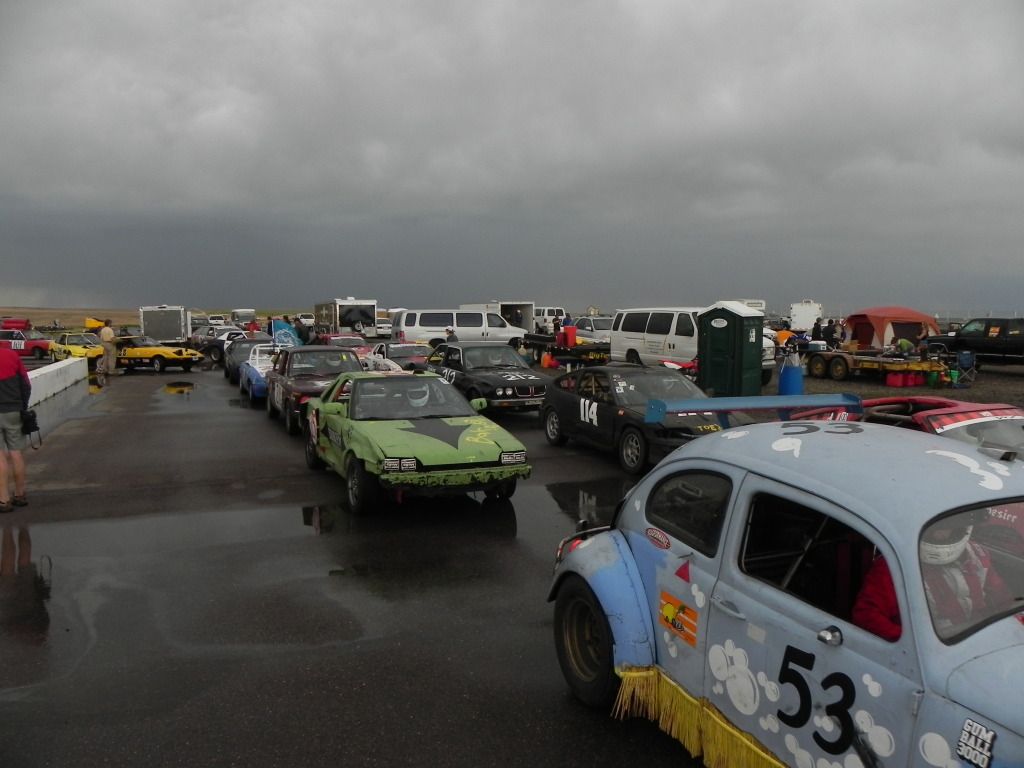
As usual at HPR, the race was stopped briefly for a thunderstorm. The temperature drop was welcome.
Queuing up after the storm.

I didn't drive until the last stint of the race. I settled in behind the second place car and stayed there for about two hours. I knew I was in trouble with fuel and the MRolla ran dry with about 5 minutes to go. That's about what a fuel stop would have cost us so it didn't matter much. It was anti-climactic for the team, but it didn't detract from how much fun I had.

New Lapse Of Judgement

Remember the old time-lapse videos of MRolla construction? Well I've revisited the video project and created an updated, single, more complete time-lapse that includes some additional stills and video. Enjoy!


T-minus Tomorrow

I want one.
We leave tomorrow morning, bright and ugly. We're feeling well prepared. I'm getting excited. I'll mention a couple odds/ends then try to get some updates done during the race. No promises.

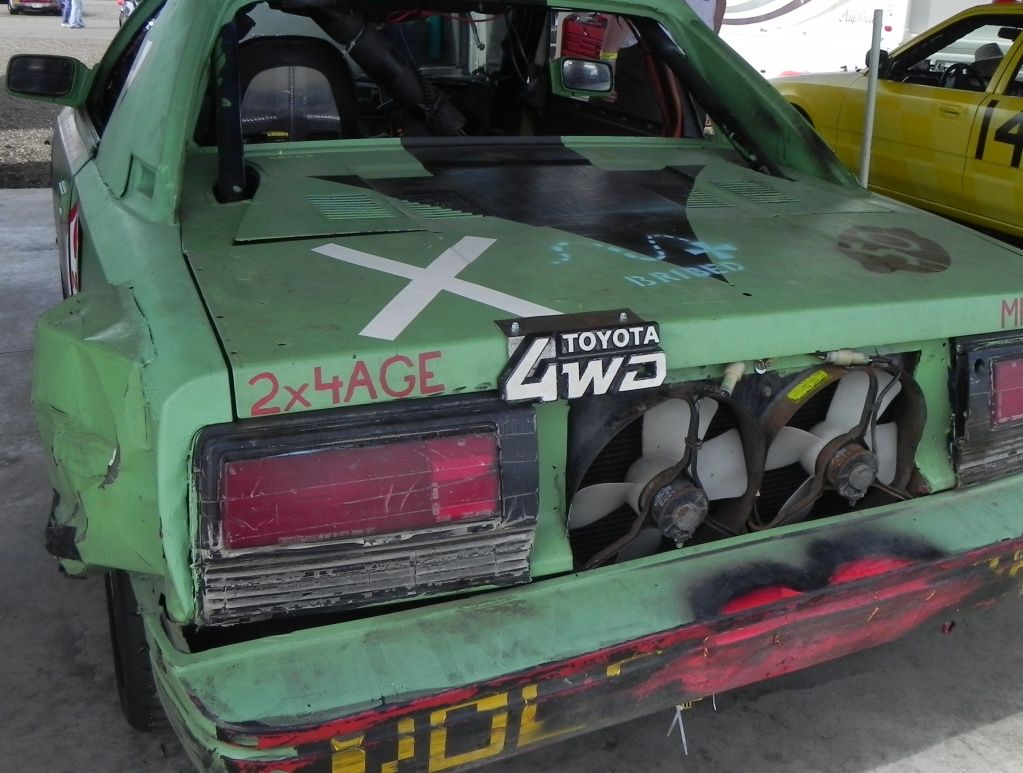
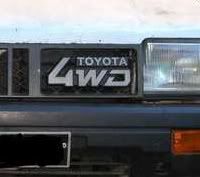
I'm hoping to get a spiffy "Toyota 4WD" badge for the MRolla. I've had my eye on the local junk yards for the last month or two with no success. May stop at a junkyard on the way to the race and see what I can scrounge.

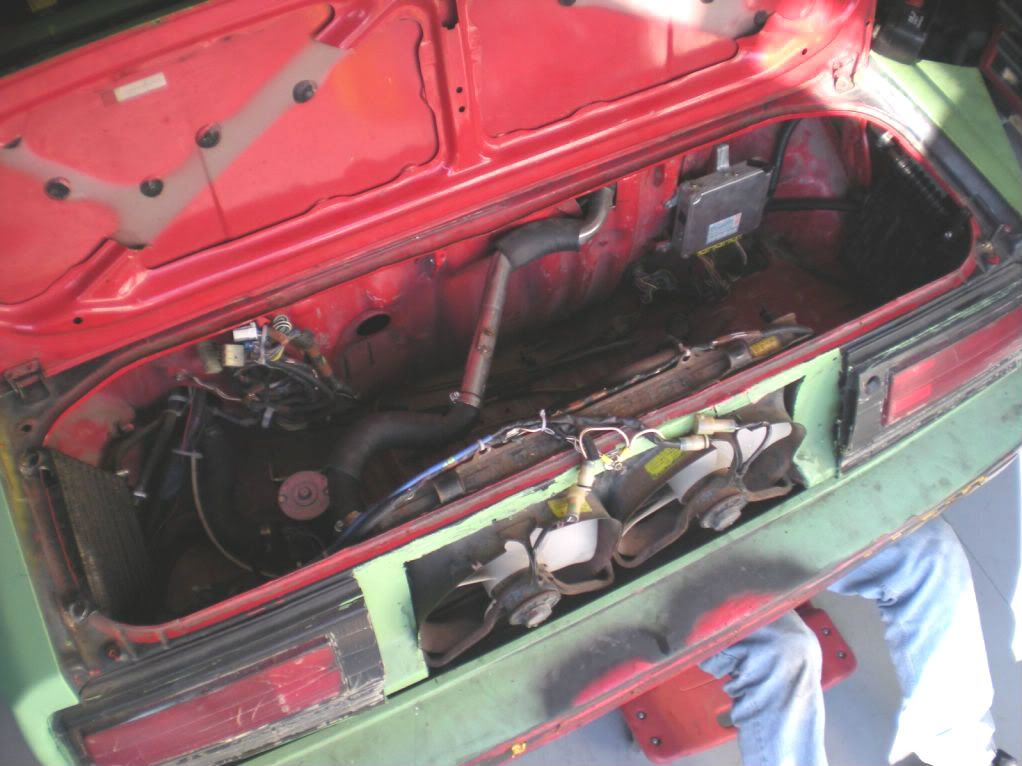
On bit of MRolla tech we’ve never really mentioned is the rear air flow. The stock radiator for an MR2 is the front of the car. When constructing the MRolla we opted to move the rear engine’s radiator to the back. This reduces plumbing, which is one source of trouble in many MR2s, and also avoids contention and fit issues with the Corolla’s radiator. We obviously have two big scoops on the rear corners pulling air into the trunk space, and the radiator is visible at the rear end. We’ve also placed oil and automatic transmission coolers inside the scoops.

From the left we have transmission fluid cooler,
electric water pump, radiator, and oil cooler.
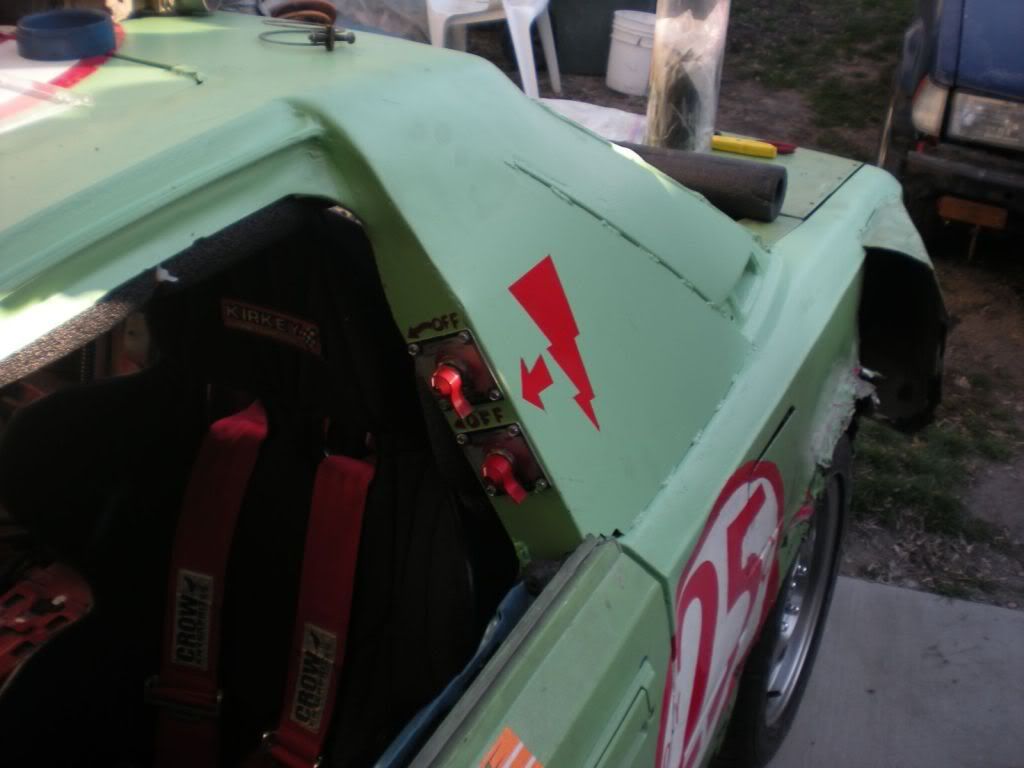
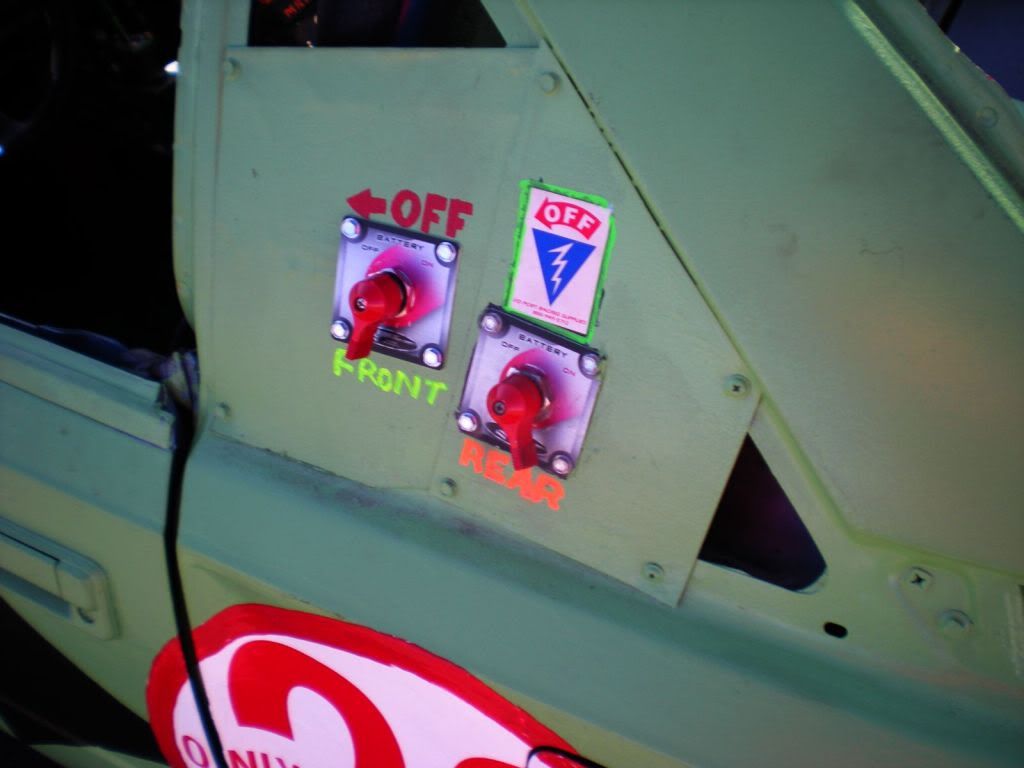
We finalized our kill switches. Paul matched the paint on the b-pillar box, we got the labels on, and the switches mounted. I love the new location and think it’s going to be a very useful modification.

Complete new kill-switches, and you can see the rear scoop
that directs air to the transmission cooler and radiator.

MRolla Transmission Lessons

Transmission configuration is surely the most interesting and debated issue of the twin engine MRolla. We considered several configurations, feasible and not, but opted for what we felt would be the simplest to drive, most reliable on track, and easiest to build.

First we considered possible combinations of manual and automatic transmissions. We were initially drawn to two manual transmissions, as are most people with opinions on the MRolla, but just under the surface of a seemingly simple concept lurk highly technical problems in control linkages and synchronization. Even if we had time, I'm not convinced there would be a racing-reliable way to execute dual manuals.

Two automatics would be easiest to execute, but was too... automatic for our tastes. With the lessons learned from the MRolla this far, I think dual automatics are quite feasible for endurance racing.

We chose to use one manual and one automatic transmission to simplify control and execution. We didn't really care which end had what, but Paul observed we could use the Corolla's pedals unmodified if we put the automatic on the rear MR2 engine. We like simple. Throttle cables for both engines are attached to the original Corolla pedal, allowing us to put the rear engine in drive and ignore it (until we need reverse), then drive "normally" using the Corolla's original controls. This has been successful on track for three endurance races so far.

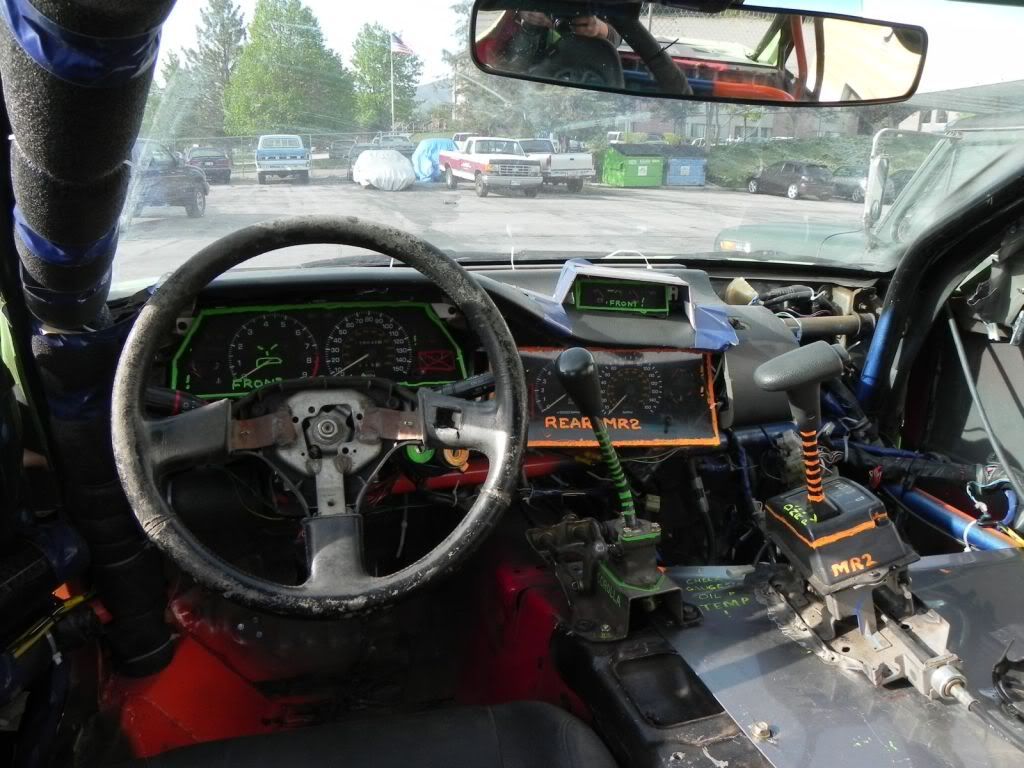
Here you can see the dual transmission
controls and instrument clusters.
First problem: Many drivers shift by sound intuitively. That doesn't quite work with the MRolla because the rear engine with the automatic has a louder exhaust than the front manual. This situation quickly reveals the danger of the rear engine pushing the front engine past red-line to detonation. Our solution is a shift light on the front engine. There is a short learning curve of a few laps before drivers get used to dismissing engine sounds and watching the shift light.

The picture is a little abstract
but this is the top of the
throttle pedal with both
throttle cables attached.
Next problem is controlling the automatic. Ours is a fairly simple automatic from an 1990ish Geo Prizm (Corolla), no fancy-schmancy computer control, but it has several potentially complex factors affecting it's shifting: Engine speed, axle speed, kick-down cable, electronics, overdrive switch, and the shift lever. Much to consider.

We figured out a way to electronically shift the automatic using multi-position switches, but didn't execute it. I envisioned a twist knob to shift the automatic, on top of the manual shift lever, so the driver could control both transmissions with one hand concurrently. Not only do I think this is feasible, but would top coolness charts. But meh... We found a quicker solution and so far: "Ain't borked. Don't fix".

We assumed manually controlling the automatic shift lever while operating the front transmission would be too complex and confusing, but it didn't take long for some drivers to start grabbing lower gears in the rear on certain hills and corners. Manually shifting automatic transmissions actually seems pretty feasible now. Since we wanted to simplify driving as much as possible, and maximize reliability of the rear engine and automatic transmission, we leave it in "D" by policy.

Here the kick-down cable is simply
extended a few cm and clamped
in position.
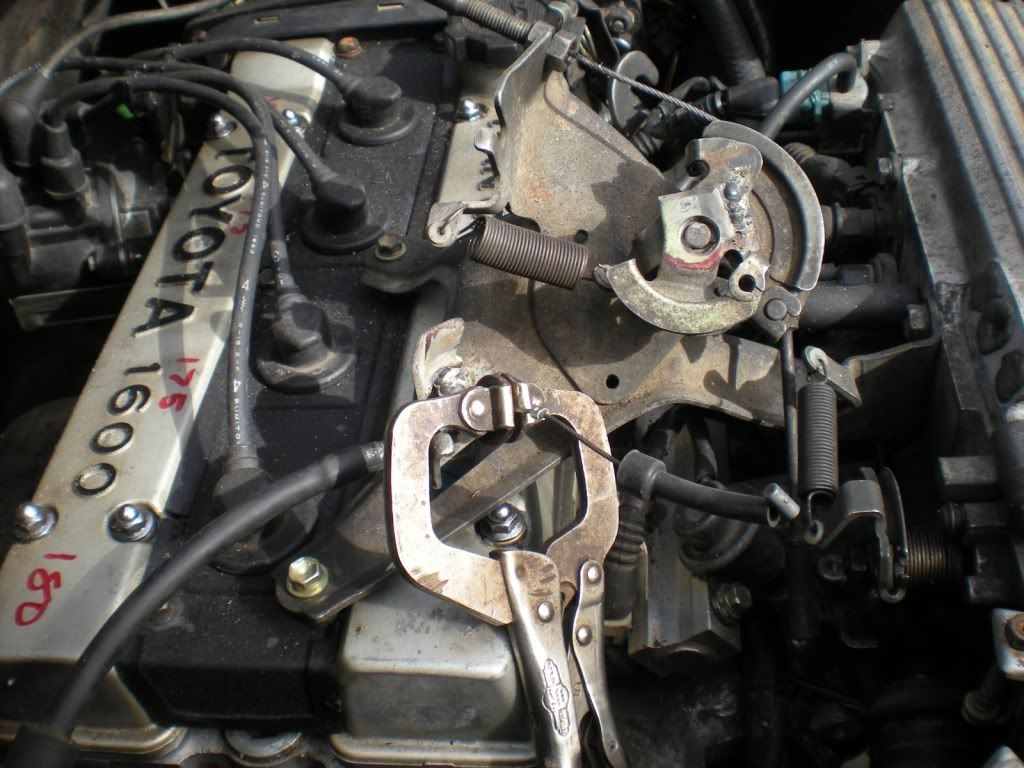
For the MRolla's first race we stumbled upon a fortunate set up. Our engine, originally with a manual transmission, didn't have a linkage to connect the "kick-down" cable to the throttle. What's a kick-down cable? You know how you can romp on the gas in an automatic car and it will down-shift and operate at higher RPMs until you ease up? The kick-down linkage basically informs the transmission when driver is standing on the gas. Since we ran out of production time to link this mechanism to the throttle, we just left it disconnected. During initial test laps we observed the shift point was an extremely low RPM, and we could get no power without manually operating the control lever. So we pulled the kick-down cable out a bit and clamped it in position. That gave us a happy 5500 RPM shift point, and the clamp stayed for two races.


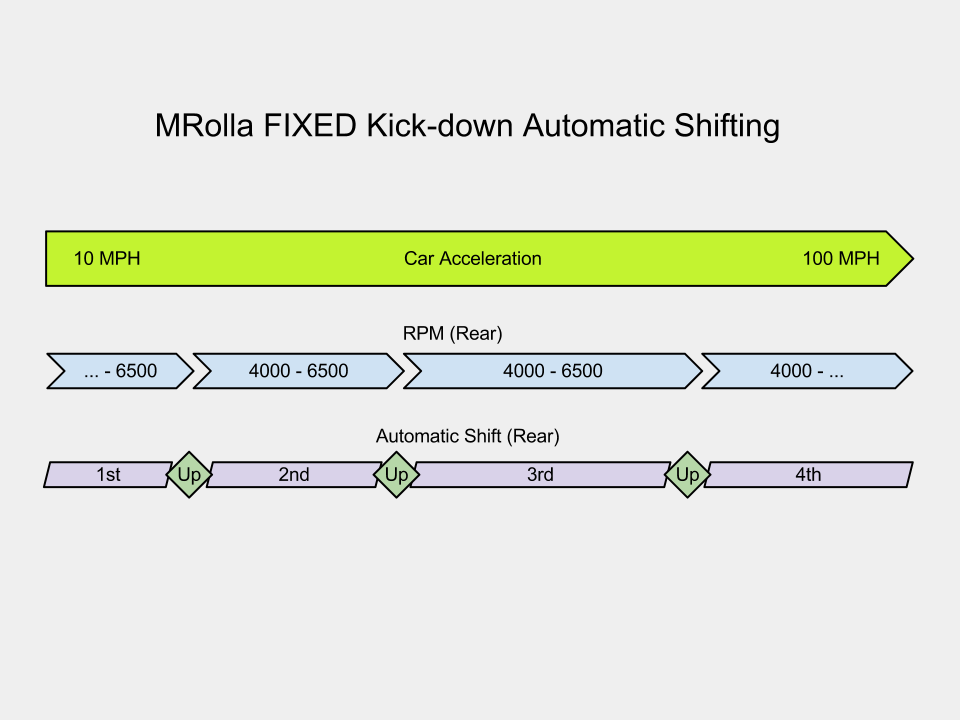
This is not really directional. Shift points are the same
whether increasing or decreasing speed.

Above we see that with the kick-down cable fixed in position, automatic shifting is a simple, nearly direct function of the speed of the car. Whatever may be happening with the throttle pedal or the other engine and transmission, the rear transmission keeps it's gear selection until it hits the shift RPMs. Deceleration works the same way. For racing this automatic shifting is nearly as intuitive as manual, since you generally want to shift at a peak RPM to maximize power.

Here you see the throttle cable
above, and kick-down cable below,
are linked.
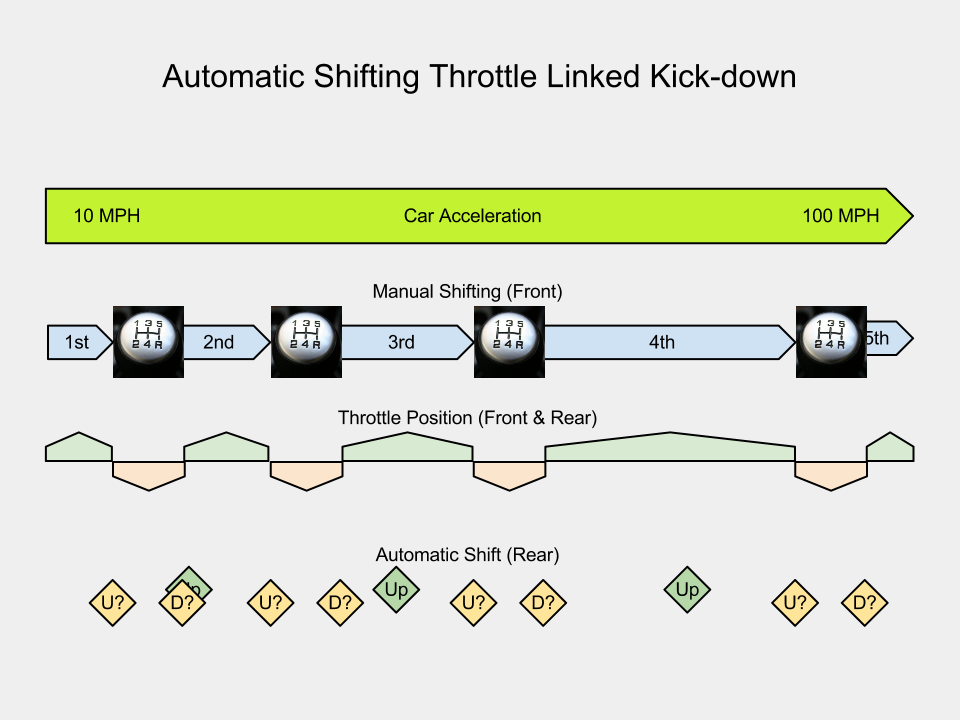
For our third race we tried to improve our automatic control and played quite a bit with the kick-down linkage during test/tune. We hoped we could vary shifting according to throttle pedal position like a normal automatic, giving harder acceleration out of corners, and allowing the engine to rest during low speed situations like yellow flags. We linked the kick-down and throttle cables and put a few drivers through the course. It worked, but it sucked. The transmission varied shift RPMs relative to throttle position, as planned, but as illustrated below, this gave the automatic schizophrenia.
Note the automatic transmission initiates 11 shifts
compared to 3 with a fixed kick-down cable.
Shift initiation (represented by diamonds on the bottom row) was now a function of car speed plus CHANGE in throttle position. For each manual shift of the front engine, the driver releases then engages the accelerator, causing the rear automatic to disengage and initiate shifts twice. The normal automatic shift points due to acceleration are also in the mix. The automatic didn't have time complete many of these extra shifts before throttle pedal changed its mind again. The results on track were frequent, incomplete, hard, clunky, and unnecessary shifts, especially entering and exiting corners.

For the race we went back to the clamped kick-down cable, but at maximum pull. This pushed the shift point to about 6300 RPM. This high rear shift point had an unexpected affect: It put an unbalanced work load on the rear engine. Shifting the front, healthier engine was happening at 6000 RPM, or lower under relaxed conditions. Situations like coasting down The Carousel, we were idling the front engine, but flogging the rear engine. That engine had been past due for catastrophic failure since we first welded a cage into the original V-RAM MR2, and had a long racing career of repeated over-heating since then. We ended up blowing the head gasket.
Finishing the race on a blown engine.
Thanks to Judy Kiel for the photo.
So we killed an engine in the learning process, but have a pretty refined, effective configuration now. For the upcoming Infineon race we'll have the fixed position kick-down cable, targeting about 5700 RPM or less.

Progress

Here are a couple more pics of our B-pillar-kill-switch-box:


Paul's bondo work keeps everyone guessing
where factory  Toyota stops and MRolla begins.
I really like Paul's bending and shaping work.

Paul and Will have been getting the spare engine rebuilt and it's nearly ready. It's going to live in the DOT.MATRIX for a few weeks to break it in before Infineon, where hopefully it will just stay in the back of the truck.


Shutov Assembly

The only rule change that has much affect on us this season is the kill switch location must now be within driver's reach. Pretty sensible.
Old kill-switch location was just out of reach behind driver's shoulder.

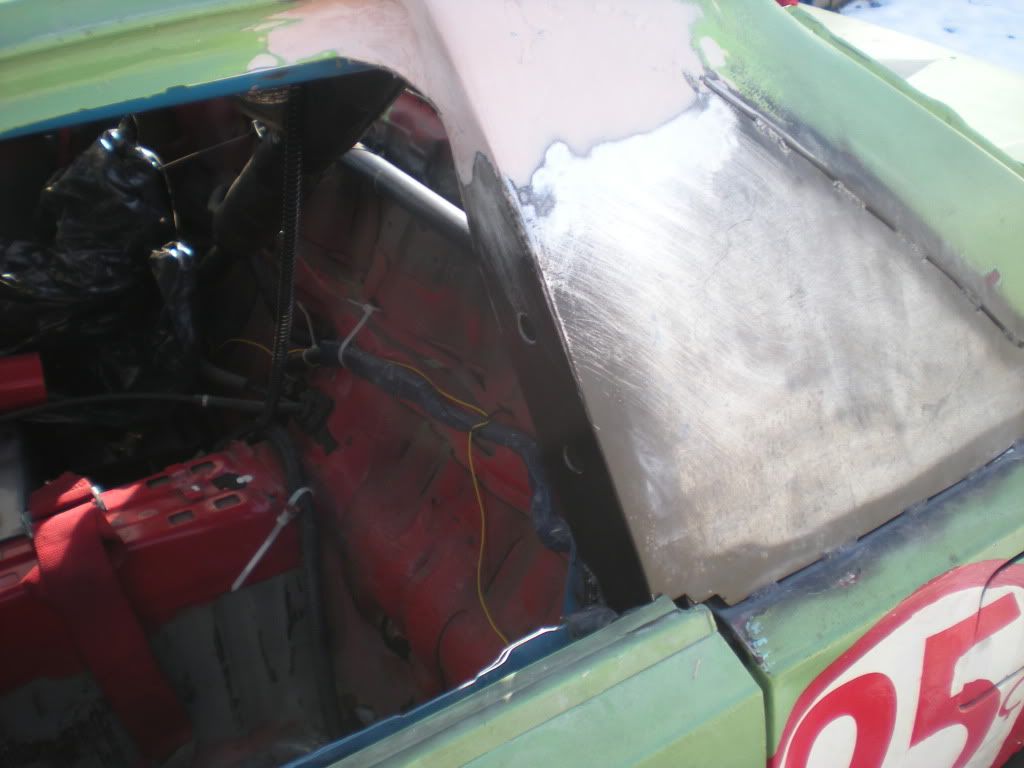
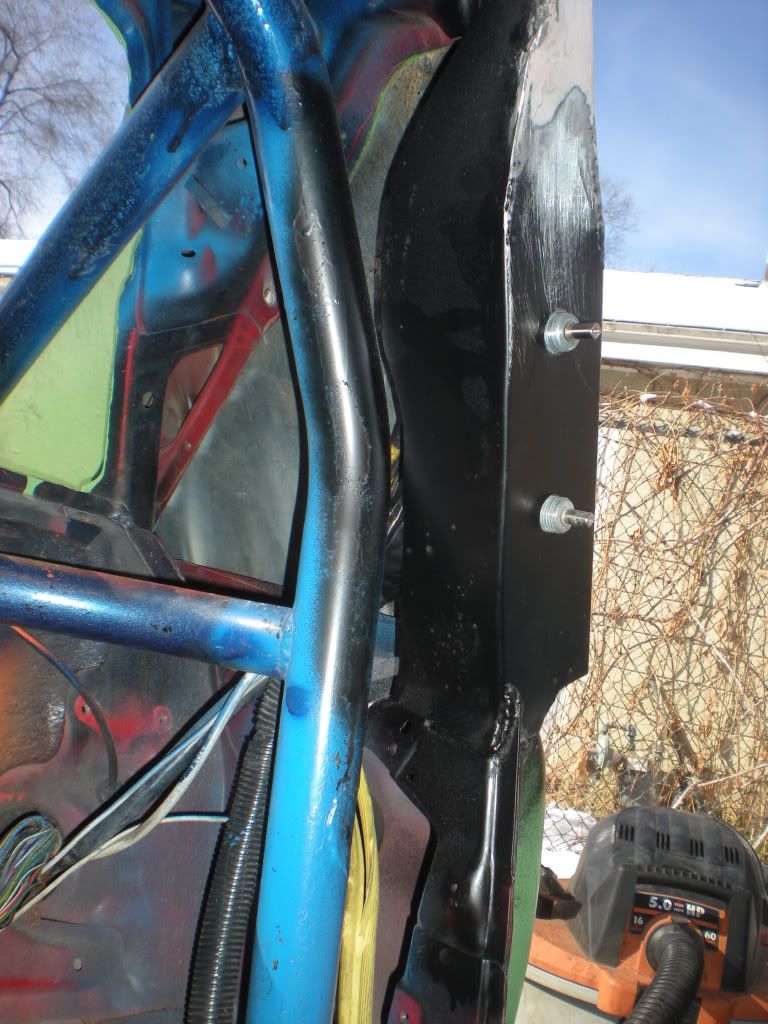
We thought the optimum location would be on the cage's front down tube just above the steering wheel, but our car is pretty crowded and we feared it would hinder steering or be accidentally killed during more aggressive/frantic maneuvers. We toyed with several ideas and finally acted on this one. We thought the old location was excellent for all use by non-drivers and wanted to alter it to be within reach, but there just wasn't the clearance between the cage and pillar to make it work well. Having two engines and kill-switches compounds the issue. So we cut out the pillar and Paul fabricated a big sturdy box. Now the driver reaches the switch just over the shoulder, and anyone outside the car still has easy reach.
Easy over-the-shoulder access.

Big Boy Wheels

We've finally put something bigger than stock wheels on the MRolla. I think it will be a nice handling improvement. Usually we run factory 14" x 5.5" wheels with a 195/60 tires. Now we're going with 15" x 6.5" light weight Rota Slipstream wheel with 205/50 tires.

Check out our boss new mags. 
Hunted a few engine snipes today and have a short MRolla to-do list before Infineon in March.

October 2011 Mayhem

Test day aerial photo with what I think is the MRolla on
the right. (Thanks to MurileeMartin.com for the photo.)
The October 2011 Infineon 24 Hours Of Lemons event was one of the craziest I’ve raced since Altamont days. 165 cars of questionable qualifications on track, more generous than usual flagging practices, and some intense competition combined for some spectacular action. The forums have be aflutter with debates regarding safety and sanity levels. Personally I was a bit surprised by some drivers failing to ease up for a dead Camaro mid track with cautions flags flying, resulting in a fairly catastrophic rear end collision.


Also, one of the most spectacular roll-overs I’ve seen at lemons, 5.5x rolls, also occurred.


Before the race. (Thanks to
MurileeMartin.com for the photo.)
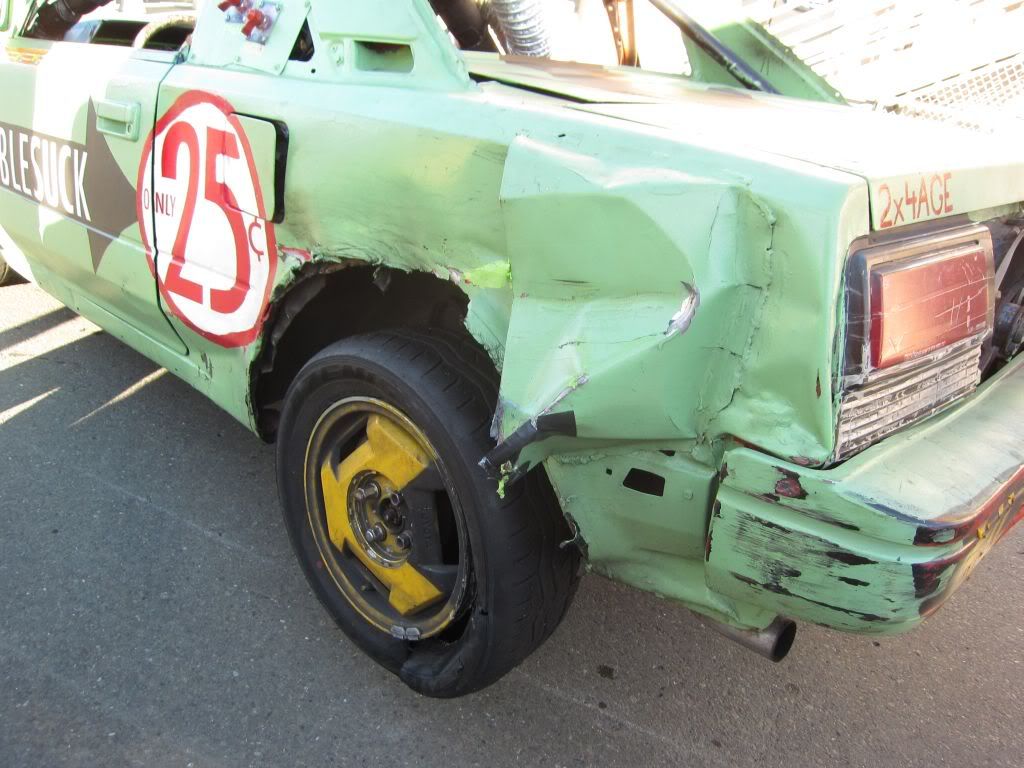
We finished uninjured, but did suffer two notable collisions. I've been scrounging for some better pics of the damage we took at Infineon and found a couple shots over at www.murileemartin.com that have finally made this post possible. One was a pretty good t-bone from a CRX. We got this very apologetic email after the race:

After the race (Thanks
to CRX #3 for the bash.) 
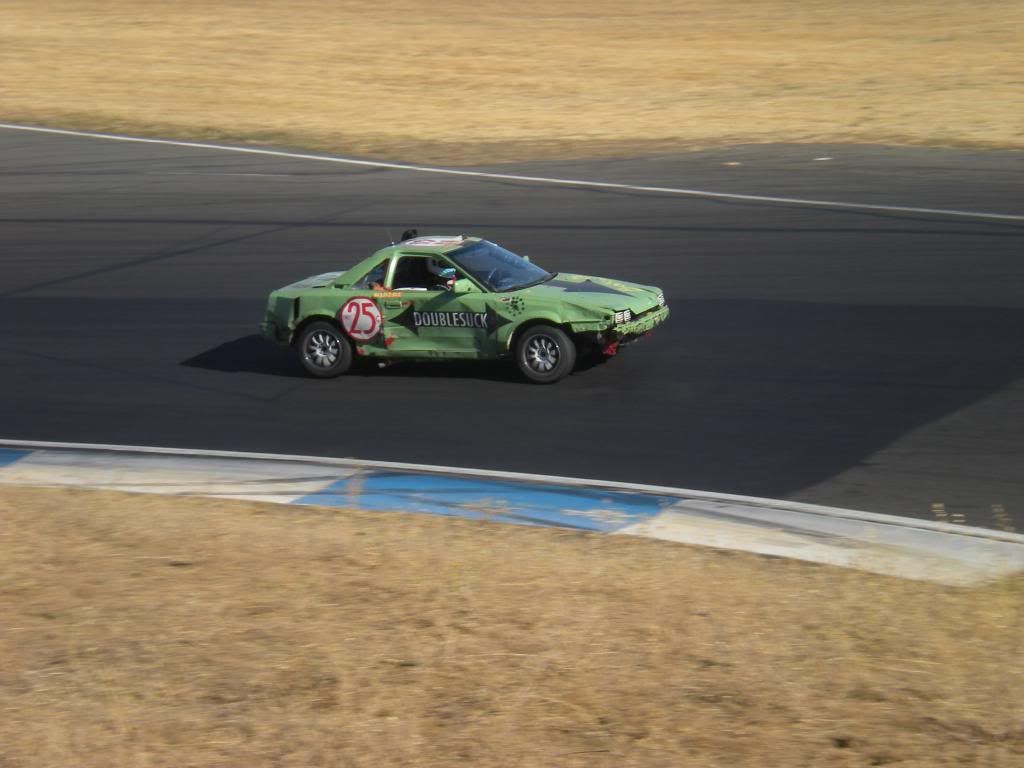
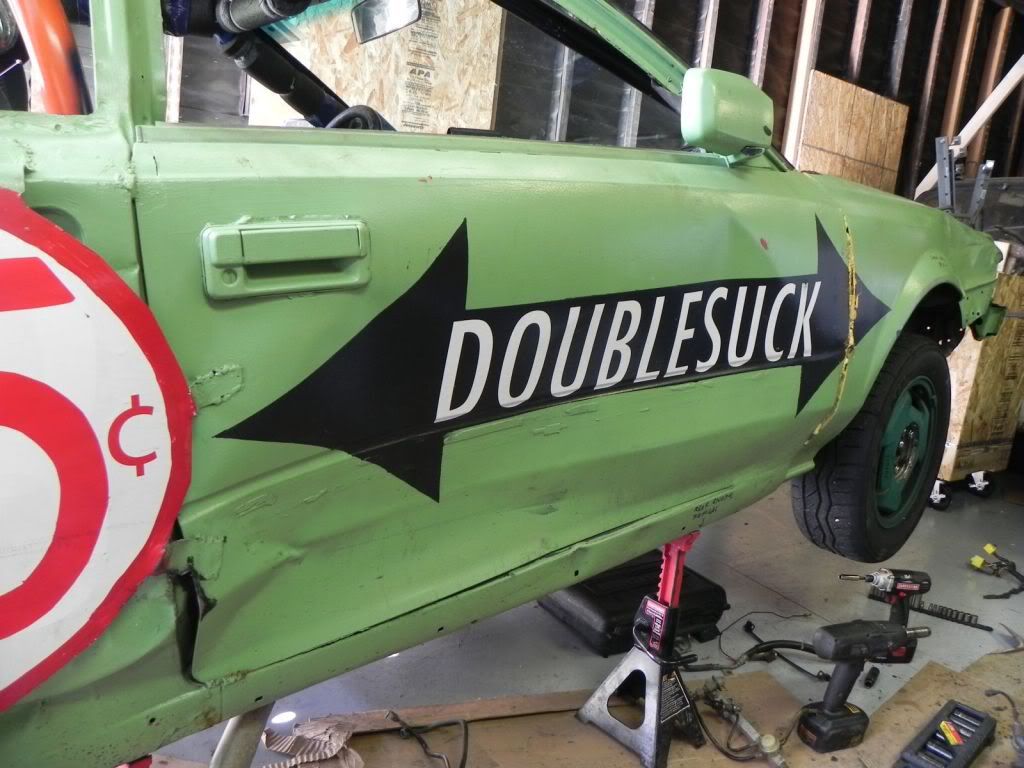
“I'm a rookie driver on a rookie team and I just wanted to apologize for making contact with you at Sears Point this past weekend. We had the blue CRX #3. I kept my nose clean the whole race and then with about 15 minutes to go I tried to make an inside pass on the DoubleSuck in turn 9a and our racing lines collided and I caught you in the side. Not sure what happened to you but I spun out because I had my wheels cranked to try to get off you. Took myself to the penalty box, got back out with 8 minutes to go and ran out of gas. It was our teams only contact of the entire weekend and probably my only risky move of the weekend (I mean, other than racing with 160 other crappy cars.) Anyway, again, my apologies. I hope it didn't mess you up too much.”

I enjoyed his forum post even more:

“Maybe it is because this was my first ever race. Maybe it was because we were in a pretty slow, bone stock, junkyard CRX and I wasn't trying to haul ass through a crowded field but I didn't mind the crowds. I was also trying my durndest to drive as best as I could, get out of the way, stay on a steady line as best as I could, keep an eye on my mirrors and be respectful as a new person . I was terrified I was going to mess someone else up more than anything (I think I only messed up once, right at the end. Sorry Doublesuck.) But as I got more seat time and tried to learn how to pass a little I found the challenge of passing cars and getting passed by cars without pooping myself (especially when the HardEze or MTGT or Punk car would go flying by me) to be a thrill. Since it is my only race it feels like what Lemons should be. Fast cars having to use skill to get through a bunch of slow cars, slow cars having the sense to watch out for those fast cars and still get some racing on. It was just so cool. And I'm a big chicken. Not a daredevil at all. Biggest worry wart on my team. Soft hands. Public radio employee. And I dug it all. Got fast time for my entire team of newbies. You all have been doing it longer and you may be right but from the perspective of this new guy, I was okay with everything the way it was this weekend.”

 (Thanks to MurileeMartin.com for the photo.)
Also, former Volatile RAM teammate Mark Jr came by in the paddock offering beers of restitution. In his PiƱata Porsche 928, he lost the rear end on the tracks tightest turn, got sideways, came back across the track, and clubbed our rear end chewing up the wheel. We were towed off, but after changing the wheel and pulling the fender back out we were able to finish the race. The hub was floppy by the end of the race and we've since replaced it.

Some find it frustrating, but I welcome the high intensity levels of a crowded field, and it's great that comraderie outweighs competition in this series.